




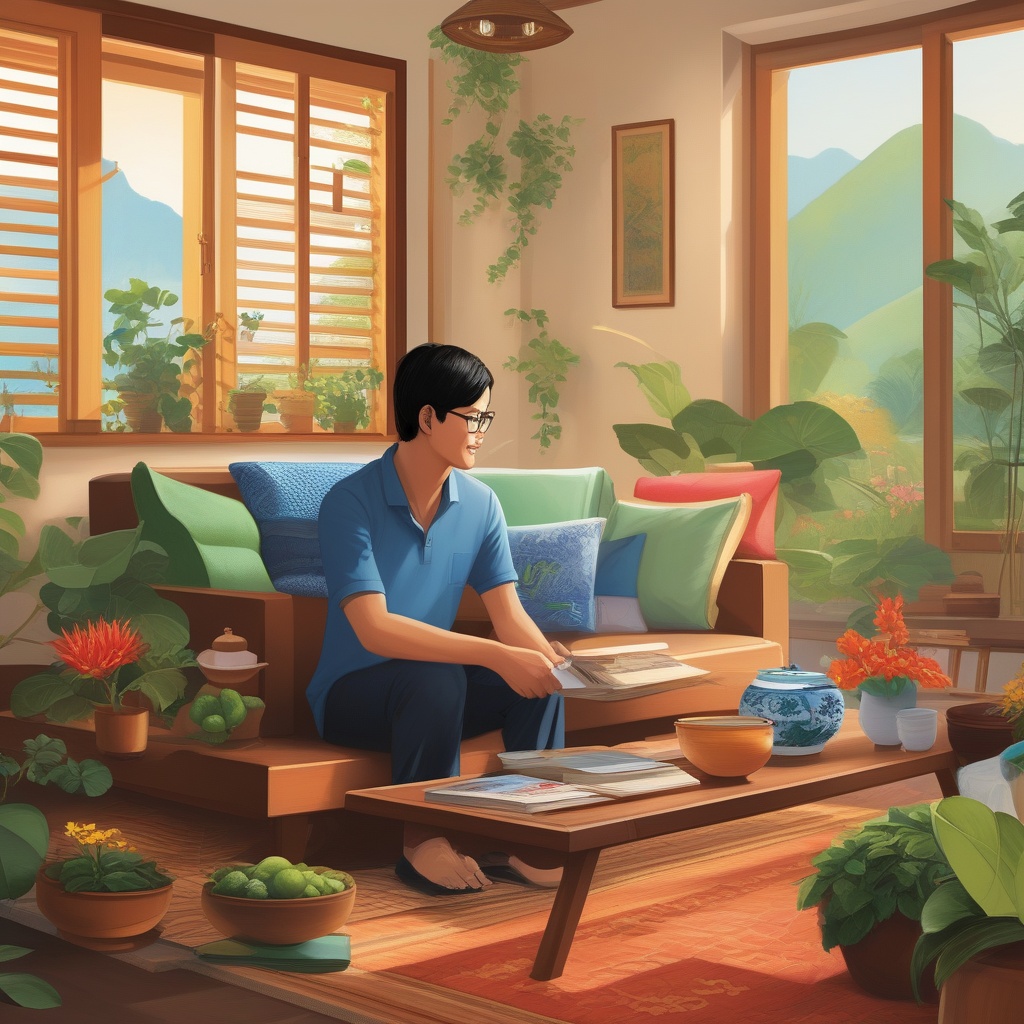
Celebrating a Decade of Innovation in Home Tech
When Microsoft opened its first home laboratory back in 1994, the idea of a dedicated space that blended everyday living with experimental software was almost unheard of. The Microsoft Home was born out of a curiosity to see how ordinary household activities could be enriched by the latest digital tools. Over the past ten years, that curiosity has evolved into a fully furnished showcase that feels more like a living room than a testbed. Inside, the kitchen buzzes with smart appliances, the family room pulses with interactive displays, and the bedroom offers quiet corners for digital mindfulness. Each room is a curated environment where software meets daily routines, revealing ways to manage calendars, recipes, and even mood through the devices that surround us.
At its core, the Microsoft Home is a laboratory for the everyday. Designers, developers, and researchers walk through its doors and encounter scenarios that mimic real life. In the kitchen, a countertop display can fetch a grocery list or walk a user through a recipe step by step. In the entertainment room, a wall‑mounted screen shows friends’ messages in real time, letting you feel connected even when they’re miles away. These environments are more than just mock‑ups; they are testbeds for ideas that have the potential to become the next generation of smart home features. The goal is simple: make technology feel natural and unobtrusive, so that users can focus on living rather than on the technology itself.
Jonathan Cluts, director of the Consumer and Prototyping Strategy Team at Microsoft, captures the spirit of the project when he says, “The Microsoft Home is one of the important ways that we are able to explore how software can meet people’s future domestic needs.” He sees the facility not just as a showroom, but as a living ecosystem that adapts and grows with its inhabitants. In his view, the Home is a place where the most ambitious ideas can be tested in a realistic setting, and where success is measured by how well they fit into families’ day‑to‑day lives. Cluts also notes that the Home offers partners a chance to see how their products might perform when woven into a larger digital tapestry.
Recent upgrades across the foyer, entertainment room, home office, and bedroom demonstrate Microsoft’s commitment to staying ahead of the curve. In the foyer, a touch‑free card reader unlocks personalized greetings and media recommendations as soon as a family member steps inside. The entertainment room now hosts immersive gaming sessions that let players battle in real time with friends around the globe, all while their household devices remain in sync. The home office features a voice‑controlled hub that lets users adjust lighting, temperature, and playlist choices with a single command, turning a work session into a seamless experience. In the bedroom, a smart mirror can analyze clothing choices, suggest outfits based on the weather or the user’s schedule, and even check the cleanliness of each item before the day begins.
All of these enhancements aim to free people from the friction of managing multiple devices and to streamline everyday tasks into a single, intuitive interface. The Microsoft Home’s designers are constantly looking for ways to embed context awareness - such as recognizing when a family member is preparing breakfast or when a child is about to start homework - into the technology. By reacting to those cues, the system can offer timely reminders, adjust the environment for optimal focus, or simply keep a user’s calendar up to date without an extra tap. The result is a space that supports busy lives while also fostering moments of connection and play.
Microsoft’s celebration of its tenth anniversary isn’t just a milestone; it’s a glimpse into how a thoughtful blend of hardware and software can reshape living spaces. By turning everyday rooms into arenas for experimentation, the company continues to explore new ways to make technology a partner in life rather than a task to be completed. This decade of exploration has already seeded products that many now take for granted, from tablet PCs to smart media centers, and the journey is far from finished.
From Prototype to Everyday Living: How the Microsoft Home Shapes Today’s Smart Homes
When the Microsoft Home first introduced gesture recognition, the concept was simple yet ambitious: let people control their environment with a wave or a swipe, just like a scene from a sci‑fi movie. That same gesture technology is now found in a teenage bedroom’s closet mirror, where a quick flick can check if a shirt is clean, matches a jacket, or fits a current trend. The mirror doesn’t just list the status; it offers alternative outfit suggestions, making mornings less stressful and more efficient. By keeping the interaction natural, the system eliminates the learning curve that often slows down adoption of new tech.
Seamless displays are another hallmark of the Home’s design. Picture a wall in the living room that, on a whim, shows the family’s calendar, a grocery list, or a new recipe that someone found online. The display’s intelligence comes from an understanding of context - if it’s late afternoon, the system might highlight dinner plans; if it’s the weekend, it could suggest a movie night. This fluidity keeps users engaged with their surroundings and turns passive walls into active assistants that speak directly to the needs of the household.
Interactive gaming, too, has evolved from a casual pastime into a platform for social connection. In the Home’s entertainment room, a player can join a global competition using a Tablet PC or a digital camera as input. The system captures live video and translates it into game actions, turning ordinary family members into protagonists in an interactive story. This level of engagement goes beyond typical gaming; it creates a shared narrative that brings friends and family together, no matter where they are physically located.
Smart card technology, positioned throughout the foyer, office, and teenage rooms, offers personalized access to digital content. A single card can unlock a suite of exclusive music tracks, grant entry to a corporate intranet, or reveal family photos tailored to the user’s preferences. By blending physical identification with digital experience, Microsoft creates a secure yet seamless flow of information that feels almost invisible to the user.
Voice command recognition is perhaps the most ubiquitous of the Home’s innovations. Residents can issue natural language requests - “play my favorite playlist,” “set the room to 22 degrees,” or “remind me to pick up laundry” – and the system responds with precision, tailoring each action to the person’s habits and the current environment. This hands‑free interaction frees up time and reduces the cognitive load associated with juggling multiple devices.
What makes these prototypes truly special is their migration into everyday products. The Tablet PC, once a lab experiment, became a staple for professionals and students alike. Windows XP Media Center Edition transformed living rooms into multimedia hubs, while digital music formats moved from niche markets to mainstream consumption. These successes validate the Microsoft Home’s methodology: start with real‑world scenarios, iterate rapidly, and then scale solutions that resonate with broad audiences.
Craig Mundie, senior vice president and chief technical officer of Advanced Strategies and Policy at Microsoft, reflected on the impact of these innovations by saying, “From digital picture frames and distributed digital media to the Tablet PC, the immersive demonstrations of future lifestyles developed at the Microsoft Home have proved to be an effective way to communicate our vision and drive the industry forward.” His words underline the Home’s role as a catalyst for industry-wide change, turning ambitious concepts into tangible, market‑ready products that millions now use daily.
Today’s smart homes owe much to the Microsoft Home’s pioneering spirit. By focusing on context, natural interaction, and seamless integration, the facility has helped transform everyday living into a richer, more connected experience. The ten‑year journey demonstrates that when technology is designed with people at its heart, the possibilities for improvement are endless.






No comments yet. Be the first to comment!