




Finding Inspiration and Building Worlds
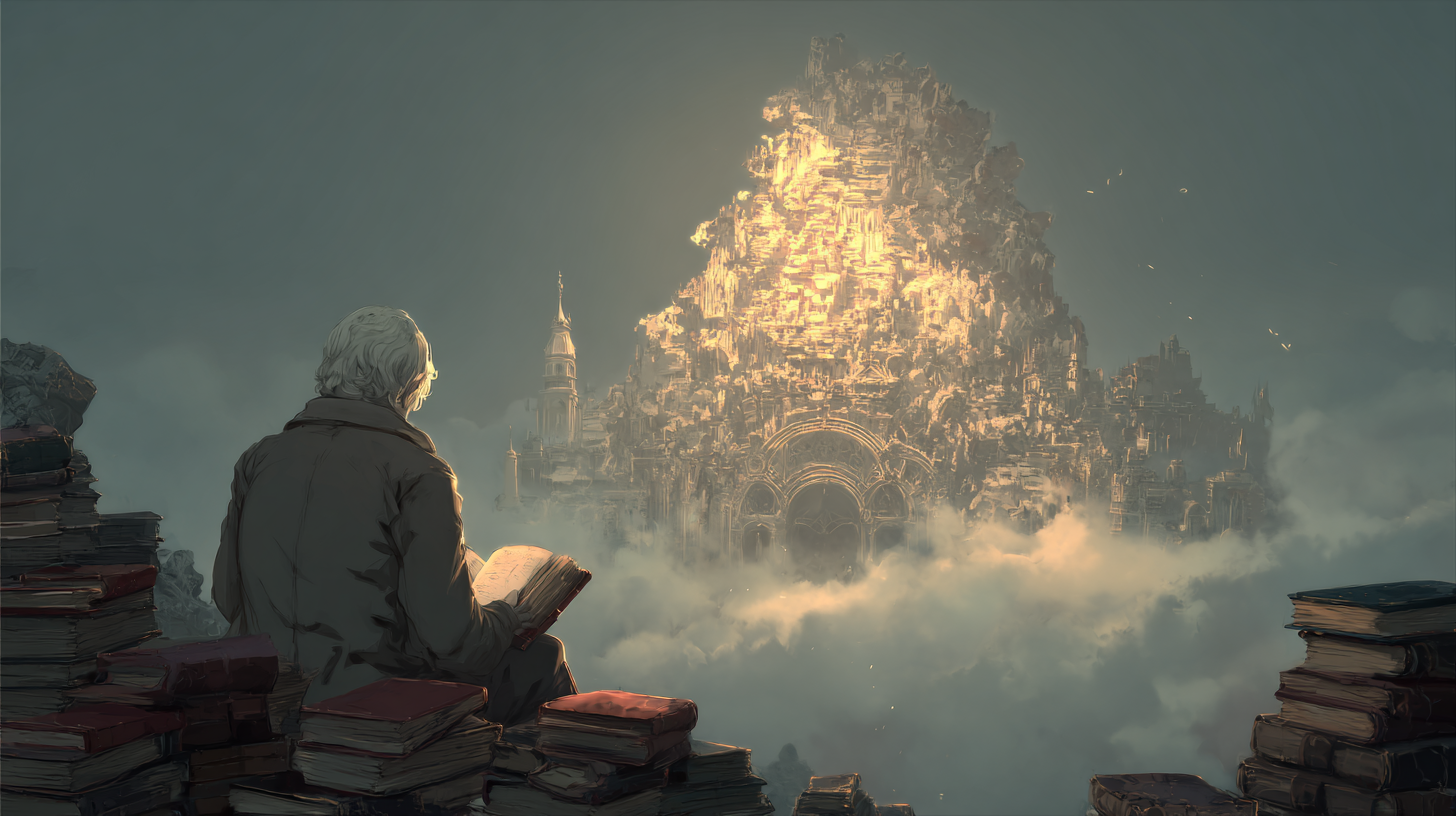
When a writer first encounters ChatGPT, it feels like opening a blank notebook that instantly offers a chorus of voices. By typing a simple idea - such as a city that floats above the clouds - you invite the model to expand on that spark. The responses can range from vivid environmental descriptions to subtle societal norms that give the setting depth. A well‑crafted prompt, for example, “Describe a market on a floating city, focusing on the scents, sounds, and the rhythm of daily life,” often returns a paragraph rich in sensory detail. Writers can then choose the parts that resonate, discard the rest, and build a custom world that feels both unique and lived in. This iterative conversation makes world building feel less like research and more like a collaborative storytelling session, where the model helps flesh out unseen corners of the imagined landscape.
Prompt specificity is key. Instead of asking for a generic “fantasy setting,” ask for particular elements: “What is the main source of power in a steampunk kingdom where steam is harvested from enchanted crystals?” Such targeted questions guide ChatGPT toward creative yet concrete answers. The model’s output can include mechanics, cultural rituals, or even a list of local guilds, each piece ready to be woven into your narrative fabric. By gradually tightening the prompt focus, writers capture the nuance of their imagined world without feeling overwhelmed by the sheer breadth of possibilities.
Once a rough sketch of the world emerges, the next step is refinement. Writers can feed back the model snippets of their own prose, asking for suggestions that align with their narrative tone. For instance, after drafting a paragraph about the floating city’s architecture, you might ask, “Can you rewrite this in a slightly more formal style, as if spoken by a city historian?” ChatGPT adapts its voice to match the desired register, helping maintain consistency throughout the manuscript. This back‑and‑forth process turns the model into a dynamic editor, catching stylistic inconsistencies before they take root.
Beyond surface details, a compelling setting needs internal logic. ChatGPT can help codify that logic by generating rules that govern the world’s physics, politics, or magic system. Prompting with “Outline three laws that define how the floating city stays aloft and how those laws affect everyday life” yields structured responses that writers can turn into a glossary or a quick reference sheet. By anchoring fantastical elements in clear rules, the narrative gains credibility, and readers can suspend disbelief more easily. When the writer is ready to move from world building to plot, the model’s established rules become a sturdy framework for conflict and character motivation.
Finally, setting the stage for a story means deciding which parts of the world will drive the narrative forward. ChatGPT can assist by highlighting potential conflict points based on the world’s rules. Asking “What tensions arise when the city’s steam source runs low?” produces plausible stakes that can become central to the plot. These generated conflicts help writers outline a narrative arc that feels inevitable, yet surprising, given the world’s unique constraints. By intertwining world details with plot hooks early on, the writer sets up a seamless transition from exposition to action.
Crafting Characters, Dialogue, and Plotting with ChatGPT
Character creation thrives on backstory, quirks, and a distinct voice. With ChatGPT, writers can draft character profiles that include hidden motives or arc potential. For example, inputting “Create a protagonist who is a seasoned thief but secretly values art” yields a concise snapshot that outlines core traits and internal conflict. The model can then suggest a backstory that explains this duality, such as a childhood spent stealing to save a sibling’s medical care, or a mentor who taught the value of beauty hidden within objects. By iterating on these profiles, writers refine each character’s motivations, ensuring that their choices feel earned throughout the story.
Dialogue often carries the most challenge for writers aiming to differentiate voices. Rather than a generic “Write a conversation between a thief and a guard,” a more precise prompt - “Write a witty exchange where the thief deflects the guard’s suspicion by praising the guard’s sense of justice - ” encourages the model to adopt distinct speech patterns and word choices. The resulting dialogue can be tested by reading aloud, adjusting any stilted phrasing until each line feels true to the character. ChatGPT’s capacity to mimic varied linguistic styles helps keep dialogue lively, preventing characters from blending into one another.
Plotting scenes benefits from a stepwise approach. Start with a high‑level synopsis: “Show me a scene where the thief discovers a hidden gallery of paintings in the city’s underground.” Feed that prompt into ChatGPT, and it will generate a scene outline or even a paragraph of descriptive prose. From there, the writer can ask the model to expand on specific beats - “Add tension when the thief realizes the gallery is guarded by a spectral librarian.” The iterative process mirrors a storyboard, where each prompt adds detail until the scene feels complete. This method reduces the risk of pacing issues or missing emotional beats, as the writer continuously refines the narrative flow with real-time feedback.
As scenes accumulate, ChatGPT can also help maintain continuity. By storing previous scene summaries, you can ask, “What did the thief learn about the city’s magic system from the last scene?” The model retrieves that context, ensuring that new scenes build logically on prior events. This continuity check prevents plot holes that might otherwise escape during the creative process. Moreover, writers can use the model to brainstorm alternative endings: “What if the thief decides to betray the guild instead of following the mentor?” Exploring such branches early on opens doors for richer thematic exploration or surprise twists in the final draft.
After drafting scenes, revision becomes more manageable when ChatGPT functions as a quick proofreader. Providing a paragraph and asking, “Spot any run‑on sentences or awkward phrasing,” yields concise edits that streamline prose without sacrificing voice. Writers can also request stylistic adjustments, such as “Rewrite this paragraph to mirror the voice of a cynical detective.” The model offers a polished alternative that the writer can choose to keep, merge, or discard. This step not only tightens language but also reinforces the narrative’s overall tone, ensuring that each chapter feels cohesive. By integrating the model into the revision workflow, writers can iterate faster and with greater confidence that the manuscript’s pacing, clarity, and emotional impact remain sharp.
For those seeking a deeper dive into world building and character dynamics, resources like the ChatGPT playground provide templates and community examples that illustrate how others have used AI to enhance their fiction. Drawing inspiration from these shared prompts can spark new ideas or offer fresh angles for a story stuck in a creative rut. By treating ChatGPT as a co‑author rather than a tool, writers can unlock richer, more imaginative narratives that resonate with readers.






No comments yet. Be the first to comment!