
Synopsis Spine Surgery: AI Prompts That Rebuild a Sagging Middle Before You Pitch
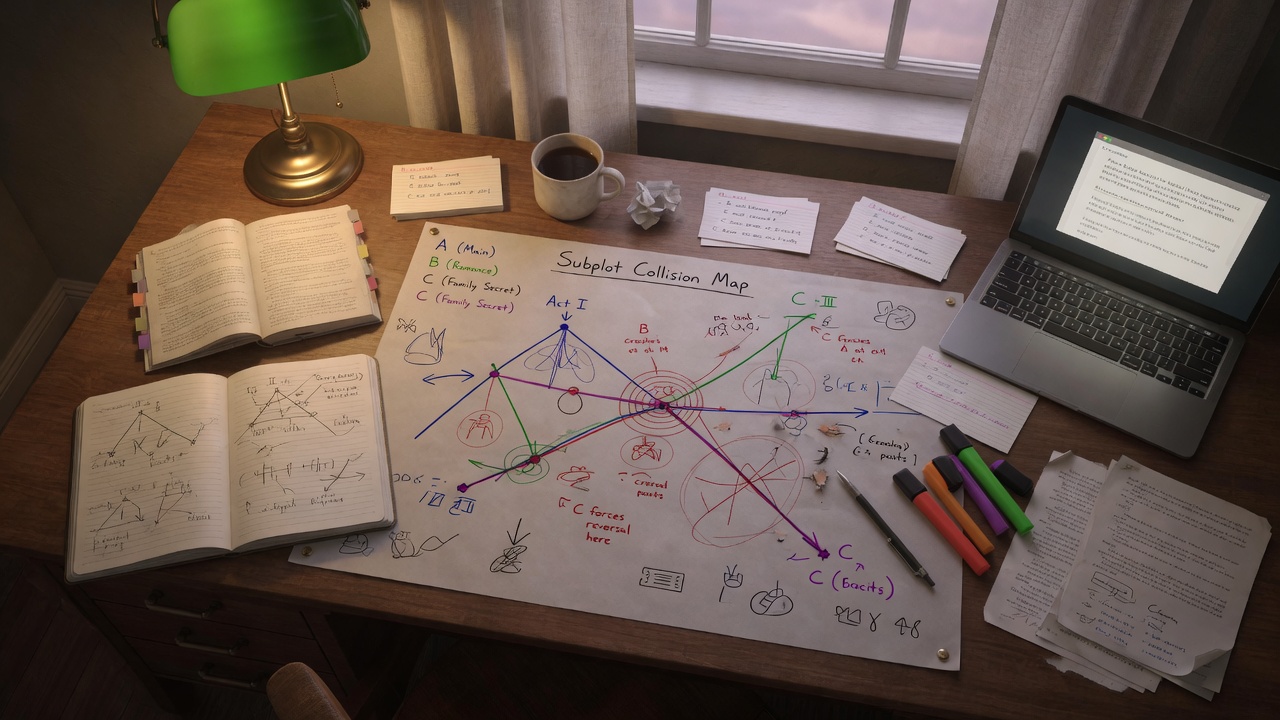
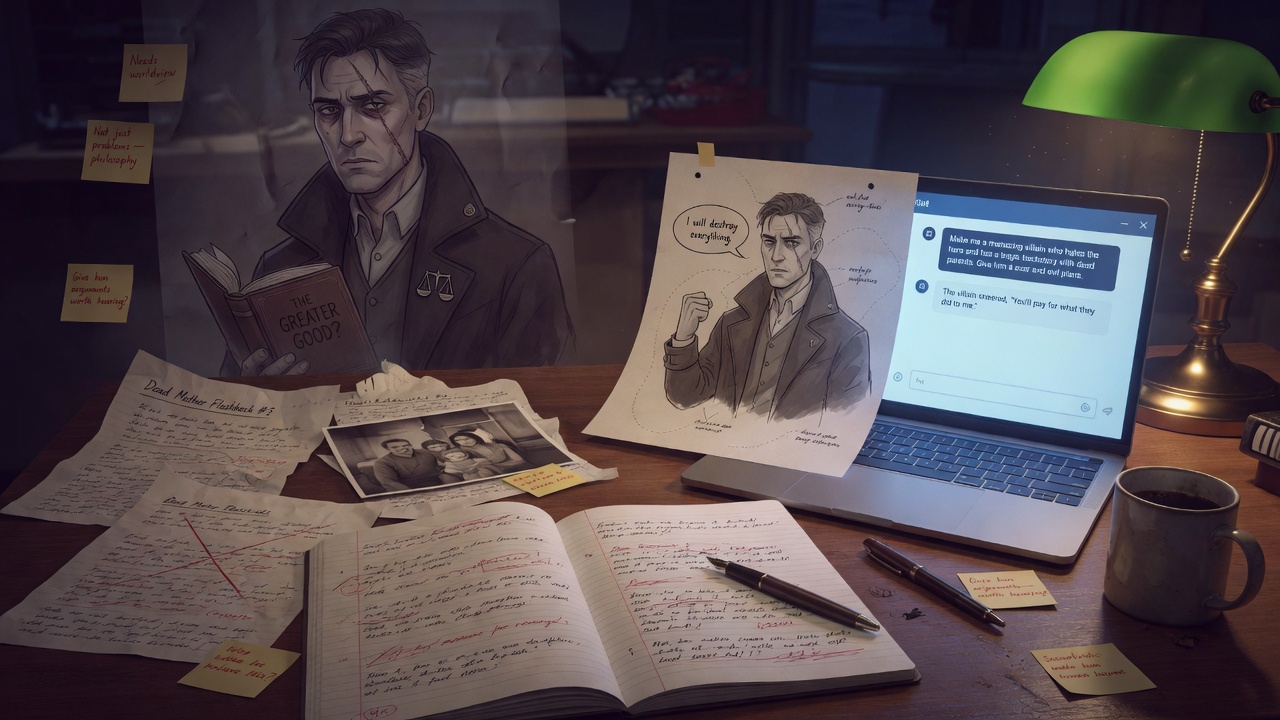
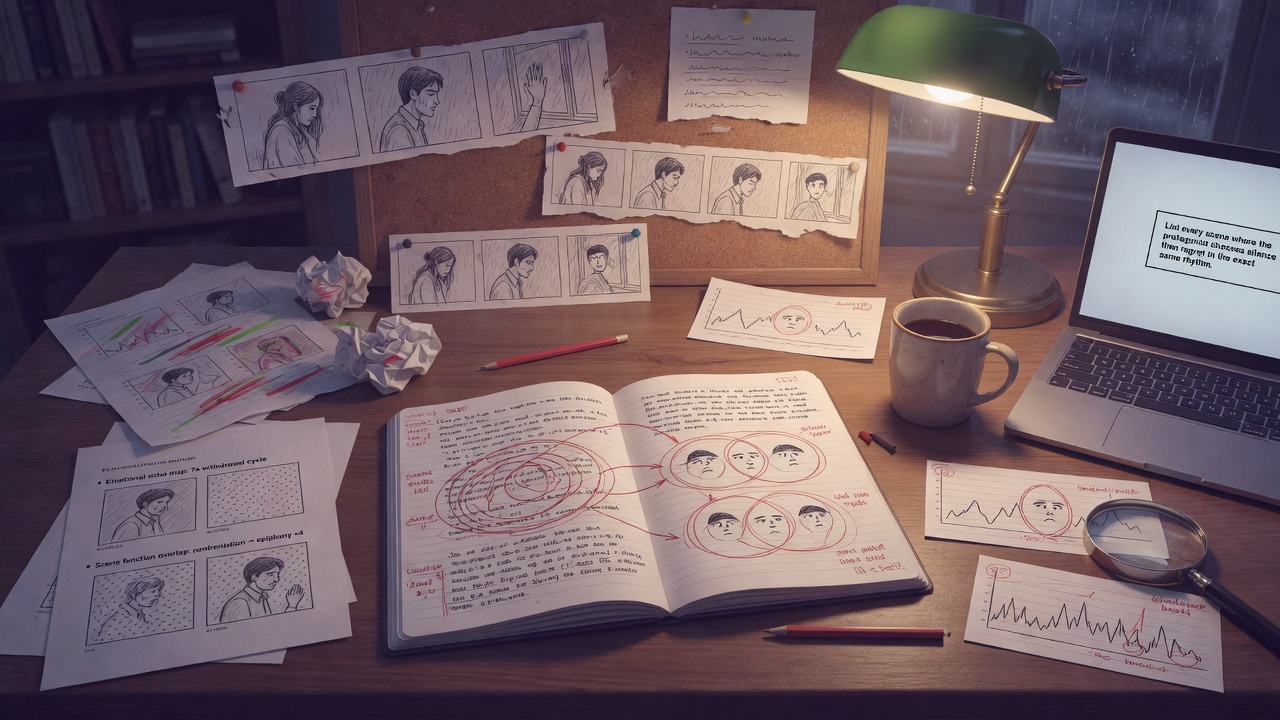
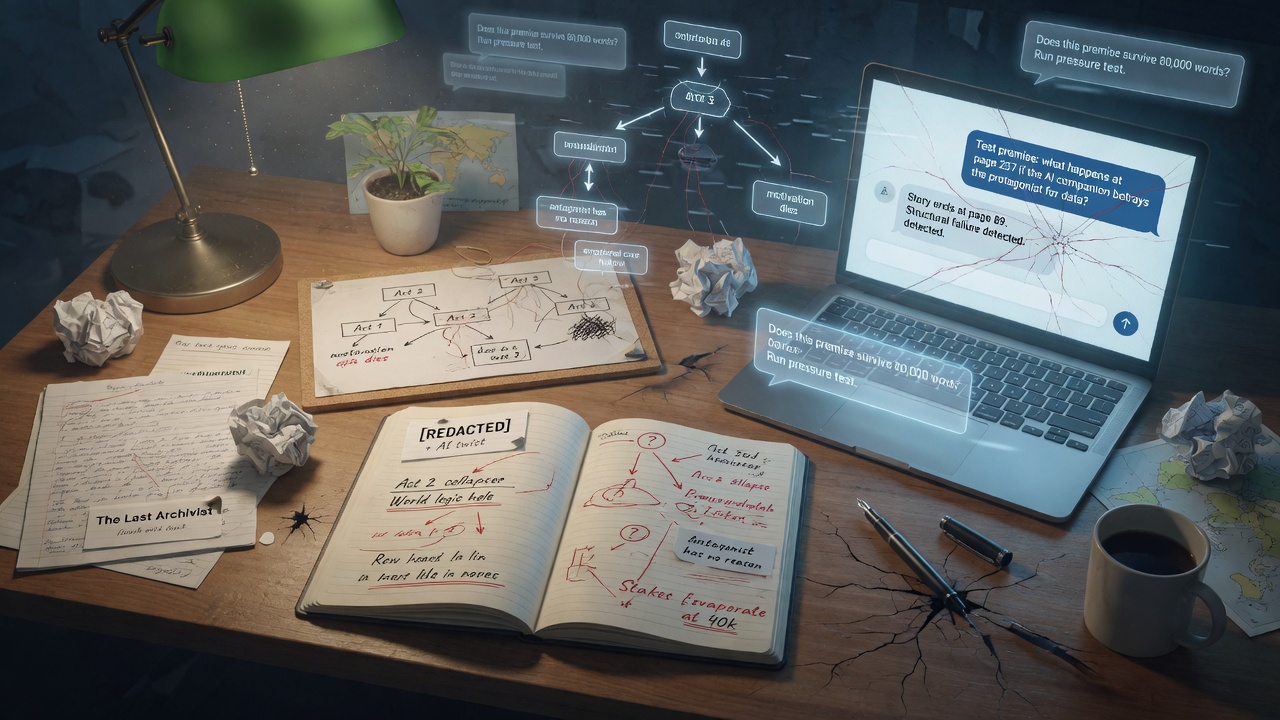
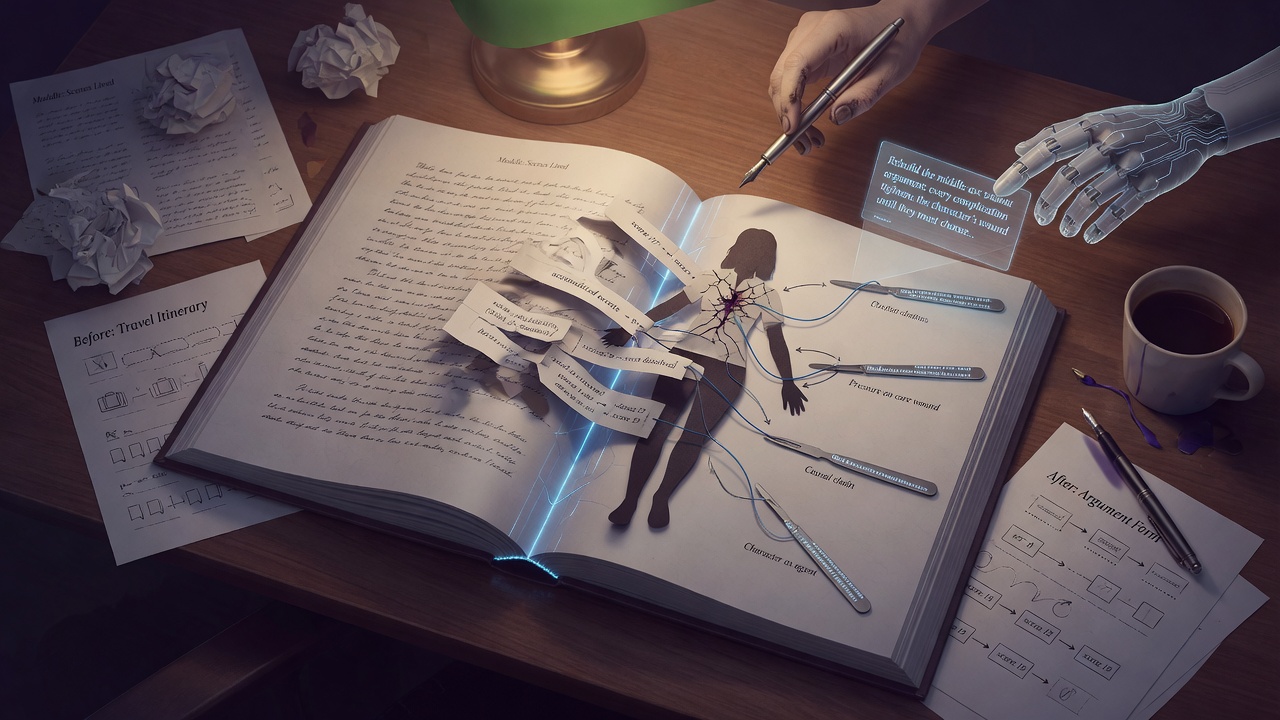
Most synopsis middles fail for the same reason: the author summarizes the manuscript the way they experienced writing it—as a sequence of scenes they lived through in order—rather than as a chain of causally linked decisions made by a character whose core wound is being systematically pressured by every complication they face. The result reads like a detailed travel itinerary for a trip the agent does not want to take. Events accumulate. Stakes blur. The protagonist stops feeling like an agent of the story and starts feeling like a passenger in it. Agents call this the muddle-in-the-middle problem, but the real problem is not structural. It is analytical. The author has not yet translated their manuscript into argument form, and a synopsis is fundamentally an argument: this character, under this specific pressure, makes these escalating choices, which is why the ending lands the way it does. AI prompts can force that translation by asking you questions your draft synopsis is quietly refusing to answer.