




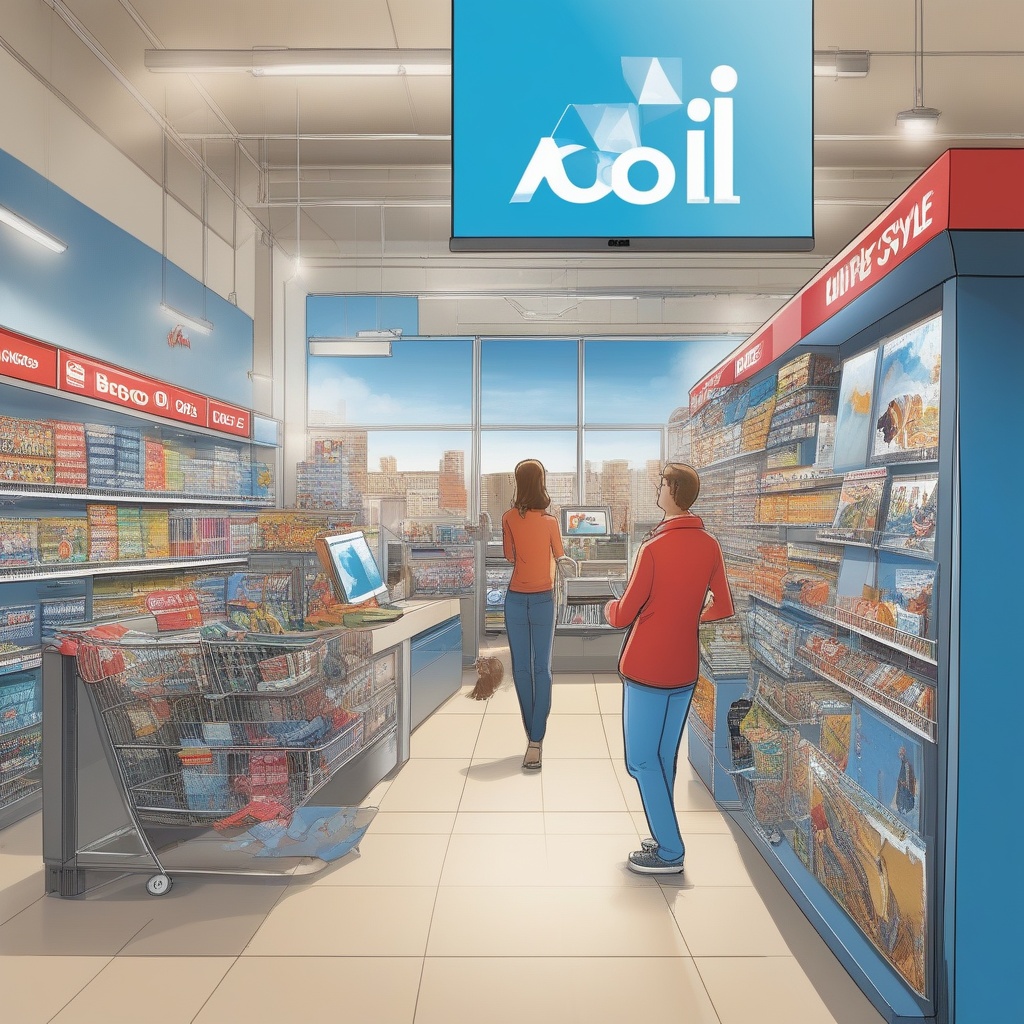
Introducing inStore: AOL’s New Online Shopping Hub
AOL has just rolled out inStore, a fresh online marketplace designed to blend a vast product catalog with a streamlined shopping experience. Available directly on the AOL service under the keyword “inStore” and as a stand‑alone web destination at http://www.in-store.com, the platform also appears on AOL.com, Netscape, and CompuServe, as well as the CompuServe.com website. By embedding inStore into AOL’s search and broader web services, the company is positioning the new destination as a one‑stop shop for casual browsers and serious buyers alike.
At the core of inStore is Pinpoint Shopping, AOL’s proprietary search engine that helps shoppers compare product features and prices from thousands of merchants in seconds. Pinpoint Shopping marries BizRate.com’s industry‑leading comparison engine - known for weighing price, popularity, and merchant reputation - to AOL’s own filtering, saving, and alert tools. The result is a search experience that delivers relevance without overwhelm, allowing shoppers to find the exact item they need at the best price in a fraction of the time they would spend on traditional retail sites.
The design of inStore reflects a broader shift in AOL’s e‑commerce strategy. By partnering with high‑quality merchants and leveraging the data gleaned from millions of online users, the platform delivers a curated assortment that feels personalized. The service also introduces a new business model for vendors, one that aligns with retail planning cycles and focuses on measurable ROI. For shoppers, this means a marketplace that offers not just inventory but also insights - merchant ratings, price alerts, and side‑by‑side comparisons - to help make confident purchase decisions.
“We’ve rethought e‑commerce from the ground up to bring AOL back into the conversation,” said David Lebow, Executive Vice President and General Manager of AOL Media Networks. “The platform is built on emerging technology and deep consumer insights, creating a destination that elevates online shopping to a more valuable experience.” With the launch of inStore, AOL claims to have shifted its focus toward a dynamic online environment that prioritizes both convenience and value.
The timing of inStore’s debut is no accident. e‑commerce sales were projected to hit $316 billion in 2010, with 60% of internet users already shopping online. AOL members alone generated over $15 billion in online spending last year, underscoring the platform’s potential to tap a sizable, already engaged audience. By addressing the frustrations shoppers have with existing sites - clunky navigation, incomplete price data, and unreliable merchant ratings - AOL has crafted a platform that speaks directly to users’ needs.
Bob Hayes, Vice President and General Manager of eCommerce, highlighted the research that went into the platform’s design. “We spoke directly with members and non‑members to understand how they like to shop and what holds them back,” he said. “inStore is built to deliver a superior experience for every type of internet consumer, with Pinpoint Shopping at the heart of a simple, dynamic, and engaging search product.” Hayes added that the new toolset will also empower merchants to showcase their full value proposition, ultimately driving higher revenue and stronger brand equity for both the sellers and AOL itself.
Partnering with inStore: How Merchants Gain a Competitive Edge
inStore’s launch signals a shift in how AOL works with its merchant partners. Rather than a passive directory, the platform offers an integrated solution that maximizes exposure to high‑value traffic and leverages rich media, standardized formats, and broadband capabilities. This approach is designed to help retailers align their marketing initiatives with real‑time consumer demand, ensuring that promotions, seasonal campaigns, and new product launches reach the right audience at the right moment.
One of the most compelling features for vendors is the advanced targeting offered by Pinpoint Shopping. By incorporating BizRate.com’s “Smiley Scale” - a large database of user‑generated merchant ratings - AOL provides shoppers with transparent, data‑driven assessments of sellers. Merchants that consistently earn high ratings and participate in AOL’s 100% Satisfaction Guarantee see increased trust signals, which in turn can boost conversion rates. This rating system is reinforced by features such as “Rapport,” a natural‑language search that filters results to those most relevant to the user’s intent, and “Remember It,” which lets shoppers bookmark items across multiple sites for later comparison.
inStore also introduces a flexible set of business models for sellers, ranging from traditional advertising and flat‑fee arrangements to revenue share, cost‑per‑click (CPC), and cost‑per‑impression (CPM) structures. This flexibility enables merchants to choose a model that best aligns with their marketing budgets and objectives. Moreover, the platform’s integrated analytics provide real‑time performance data, allowing sellers to adjust bids and creative strategies on the fly.
The local‑shopping experience is another pillar of inStore’s value proposition. With tools such as the Local Store Finder and localized promotions, retailers can target shoppers based on geographic proximity, ensuring that inventory and offers are presented to consumers who are most likely to convert. For brick‑and‑mortar outlets looking to drive foot traffic, these features bridge the gap between online search and in‑store experience, opening new channels for engagement.
Customers who value convenience will appreciate the platform’s side‑by‑side comparison visuals, price‑drop alerts, and exclusive deals. For example, the “One Day Sales” events bring flash discounts across a curated selection of products, while the “inStore Exclusives” offer limited‑time offers that appear only on the platform. These curated sales events not only increase traffic but also drive urgency, encouraging shoppers to act before a deal expires.
Merchants who partner with inStore also benefit from being connected to AOL’s core audience - 25% of all internet spending comes from AOL members. This demographic data gives sellers a powerful lever to target high‑spending users with tailored promotions. By aligning product listings, marketing messages, and pricing strategies with the preferences of this audience, retailers can increase the likelihood of sale and improve customer lifetime value.
In the long run, the integration of inStore into AOL’s ecosystem provides a holistic approach to online retail that blends consumer data, advanced search, and targeted advertising. By offering merchants a platform that is both technically robust and commercially flexible, AOL aims to create a symbiotic relationship where both the seller and the platform grow together.








No comments yet. Be the first to comment!