




Color, Design, and Material Choices
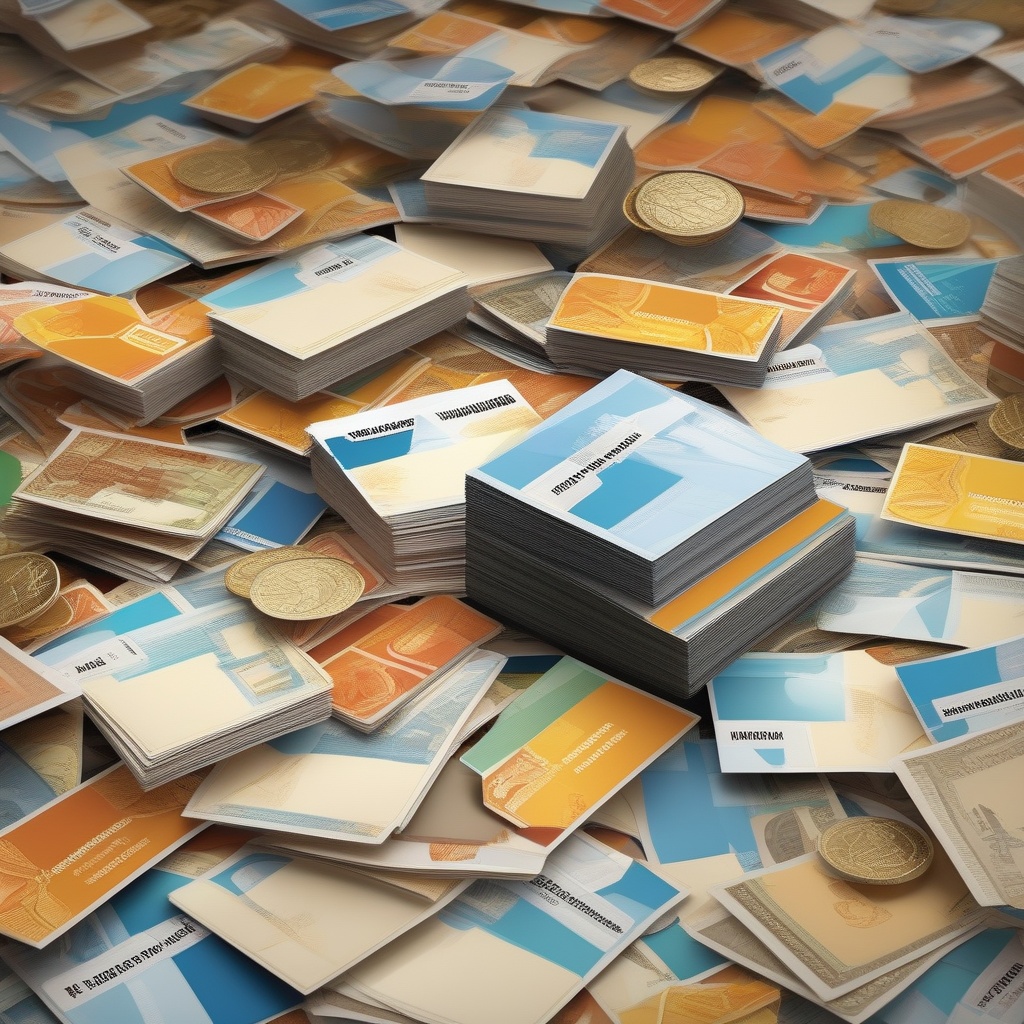
When someone pulls a card from their wallet, the first thing that catches their eye is the color. It’s the instant hook that tells a story before any words appear. If your card feels like it blends into a sea of beige and gray, the chance it will stay on someone’s desk shrinks dramatically. Think of color as the headline of a headline. A funeral director might lean toward midnight navy or charcoal, projecting calm and respect. A childcare consultant could splash neon turquoise or sunflower yellow, inviting a playful vibe. The key is to align the palette with the emotions you want to evoke about your business. Beyond hue, texture and weight add an invisible layer of credibility. Heavy cardstock or pre‑scored sheets feel solid in the hand, and that sensation can translate into perceived value. Most print shops offer options ranging from 80‑gram to 250‑gram stock, and pre‑scored or perforated sheets let you create folded business cards or mini‑brochures in one run. When you have a design idea, search for “colorful cardstock” or “patterned business card stock” and you’ll find a spectrum of choices, from matte to gloss to subtle linen finishes. The next step is drafting the layout. Word processors like Microsoft Word or Google Docs provide basic templates that place your logo, contact details, and a tagline in clean grid spots. If you’re comfortable with more advanced tools, Adobe InDesign or Canva’s drag‑and‑drop interface let you tweak every pixel. Keep your text legible: a font size of at least 10 pt for body information and no more than two distinct typefaces. Alignment matters too; left‑justified text feels formal while centered titles create a modern feel. Test a few arrangements on a regular sheet of paper before you commit to printing. A practical trick is to print a single sheet on a standard printer and let a colleague read it from a distance. If a friend can’t spot your name or phone number from a meter away, it’s time to enlarge or adjust the hierarchy. Remember that small print looks great on a screen but can vanish on paper. Contrast is your ally: dark text on a light background, or vice versa, ensures readability even after a few passes by a busy hand. Color proofing is a vital safety net. Most local printers provide a digital proof or a physical sample before the full run. Take the time to examine it under natural light; a color that looks vibrant on a screen can become muted once printed. If you’re going the DIY route, print a test sheet on your own machine, but keep in mind that home printers tend to under‑represent saturation. Use high‑quality paper and calibrate your monitor to avoid surprises. Finally, keep your brand guide in mind. A consistent color scheme across all marketing collateral helps customers recognize your name instantly. If your brand uses a particular shade of blue or a custom font, embed those elements in every card you hand out. Think of each card as a miniature billboard that can travel far beyond your office walls. When you’ve settled on color, material, and layout, you’re ready to move on to the next critical decision: who will print the cards.Professional vs DIY Printing: Making the Right Choice
Cost is the first consideration that pops up for most business owners, but skill and equipment quality also play big roles. If you’re comfortable with graphic design and have access to a decent inkjet printer, a home‑printed batch can be an inexpensive experiment. Start with a white or light‑colored cardstock, use the highest quality setting on your machine, and let your computer’s driver do the heavy lifting. Keep in mind that even a well‑designed file can look off if your printer can’t capture the full gamut of colors. When you’re unsure of your own design chops, turning to a local print shop often pays off. Call a few in your area and ask for price lists. Bring a PDF of your design and request a physical proof before committing. A reputable shop will show you samples of previous business cards, which you can compare for color fidelity and paper weight. Seeing a card in person gives you a real feel for how your brand will be perceived. Online print services are another popular route. They offer a range of finishes, from matte to spot‑UV, and provide a preview tool that lets you click through each page of your card. Reach out to the customer support team and ask about turnaround times, shipping costs, and whether they can mail you a sample. Many companies also have satisfaction guarantees; a refund if the colors look wrong or the cardstock feels flimsy is a sign of confidence in their product. Whatever route you pick, pay attention to the details that matter most: font legibility, color accuracy, paper thickness, and finish. Glossy finishes can make colors pop, but they also reflect light and may obscure fine print. Matte offers a classic feel and reduces glare, making your card easier to read. Some businesses combine both by using a matte background with a glossy logo overlay, a technique that feels premium but requires a skilled printer. The font you choose can influence how quickly a reader processes your information. Sans‑serif fonts like Helvetica or Arial are clean and modern, while serif fonts like Garamond convey tradition. If you want to stand out, consider a custom hand‑written font or a unique logo that doubles as a visual anchor. Make sure any special typeface is still legible at 10 pt. A final, often overlooked step is to consider the card’s longevity. Will it be kept in a wallet, or tossed into a folder? If durability matters, ask about lamination or a UV coating. Lamination protects against smudges and gives the card a professional sheen. UV coating, on the other hand, adds a subtle gloss without the bulk of lamination. Discuss your options with the printer and let them recommend the best finish for your budget and usage scenario. Once you’ve sorted these details, you can confidently move from concept to finished product, knowing that every penny spent will translate into a tangible representation of your brand.Innovative Card Variations: Magnetic & Scented
Traditional paper cards are reliable, but injecting a twist can elevate your marketing. Magnetic business cards transform the card into a functional item that can stick to metal surfaces - file cabinets, fridge magnets, or office supplies - making it harder to forget. To create a magnetic card, simply embed a thin magnetic sheet behind a cardstock layer or purchase pre‑magnetized cards from a specialty supplier. The magnetic layer should be strong enough to hold the card in place but thin enough not to add bulk. The placement of a magnetic card matters. In an office, a magnet on a filing cabinet can keep your contact details visible at a glance. In a retail setting, a magnet on a cooler or a product display adds a subtle promotional touch. When designing a magnetic card, keep the layout simple: no heavy images that might interfere with the magnet’s adhesion. A clean, bold logo and essential contact information keep the focus where it belongs. Scented business cards offer an entirely different sensory experience. For businesses that deal with fragrances - perfume shops, aromatherapy studios, or even specialty food brands - a card that releases a subtle aroma can leave a lasting impression. To scent a card, embed a small sachet of fragrance in the back panel or use a scent‑injected ink. The key is moderation; an overpowering smell can be off‑putting. Choose a fragrance that reflects your brand identity - lavender for relaxation, citrus for freshness, or a warm spice for a cozy vibe. Scented cards work well in industries where the product’s smell is a core selling point. A florist can attach a card to a bouquet that, when touched, releases a faint floral scent. A bakery could give out cards that carry a hint of vanilla or cinnamon, giving customers a taste before they taste. Even a tech company could use a subtle ozone scent to hint at cutting‑edge innovation. Both magnetic and scented cards demand extra production steps, but the return on investment is visible in the conversation they spark. A magnetic card on a fridge magnet becomes a daily reminder of your services, while a scented card that tastes like your signature product turns a casual exchange into an olfactory experience. When deciding between these options, consider your target audience and brand message. If you’re in a corporate environment, a magnetic card’s practicality will be appreciated. If your market thrives on sensory cues, a scented card may be the edge you need. In either case, the extra cost is offset by the unique talking point that encourages recipients to reach out.Distribution Tactics and Everyday Preparedness
Handing out cards isn’t just about dropping them in a tray; it’s about placing them where they’ll be noticed and remembered. Start with creative placement. Bookstores are an overlooked goldmine: insert your cards into gardening or home improvement books that match your niche. Readers who pick up a plant guide are already in the mindset of buying something new; a card tucked near the spine can spark interest. The same principle works in cafés, co‑working spaces, or community centers. Offer a small thank‑you card to customers who purchase a product, and ask permission to place it in the lobby or near the register. The key is to stay relevant to the setting: a construction supplier’s card fits a hardware store, a spa’s card fits a wellness center. Another strategy is the “give‑away” approach. Many restaurants run a daily lottery where patrons who bring a card win a free meal or dessert. Your card becomes part of the ballot box, and people are motivated to hold onto it for a chance to win. Even if the prize isn’t huge, the anticipation can generate word‑of‑mouth buzz. Just make sure the rules are clear, the card is durable, and you follow any local regulations about giveaways. Online, you can embed a QR code that leads to a digital portfolio or a special discount page. When a card lands on a desk, the reader can scan the code and instantly see more about your offerings. QR codes should be printed in high contrast so they scan easily from a phone camera. Preparedness is critical. Imagine a networking event where someone asks for your contact details, but your wallet is empty. Carry a small business card holder in your pocket or a sleek business card organizer in your laptop bag. Keep the holder organized so you can pull out the right card at a glance. If you frequently travel, invest in a portable stack that fits in a briefcase and stays crisp in different climates. Make a habit of reviewing your inventory before each client meeting. If your cards are scattered in a drawer, you’ll lose the chance to hand one out. Store them in a dedicated folder or in a magnetic strip on your desk, where they’re visible and accessible. A simple system turns card distribution into a seamless part of your daily routine. Finally, track the effectiveness of your distribution. Add a unique phone number or a QR code that leads to a landing page only used for business cards. When people call or visit that link, you’ll know which distribution channel works best. Use that data to refine future strategies, whether it means adjusting placement, redesigning the card, or adding a new variation like a magnetic or scented edition. Every card handed out is a potential door to new business. With thoughtful design, the right printing partner, creative variations, and smart distribution tactics, you turn a simple paper square into a powerful marketing asset.For more insights on publishing, design, and marketing, check out Lisas Library of Writing, which offers advice on e‑publishing, aromatherapy, web design, and more.







No comments yet. Be the first to comment!