




Back in November, Google's business product manager for trust and safety,
Found an error or have a suggestion? Let us know and we'll review it.
Google's Four Layers of Click Fraud Filters
Google utilizes four layers of click fraud detection. The first layer is purely automatic and is used to filter clicks from both "search" and AdSense partners (contextual ads). This filter is able to detect invalid clicks in real-time, with the goal of removing them before they ever show up in the AdWords console.
The second and third layers are aimed at filtering only AdSense clicks. The second layer is what Google calls its "flagging system" and is an automatic process to remove invalid clicks from the AdWords system. The third layer of filtering is a "manual review" process with more than two dozen Google employees manually reviewing and removing any suspicious clicks.
Google's goal is to have the first three layers of filtering identify 100% of all invalid and fraudulent clicks. Those clicks that manage to escape Google's filters are what causes many advertisers to raise concerns and has spawned the growth of many so-called click fraud detection companies. The fourth layer of click fraud detection falls to these advertisers and detection companies and is what Google calls "requested investigations".
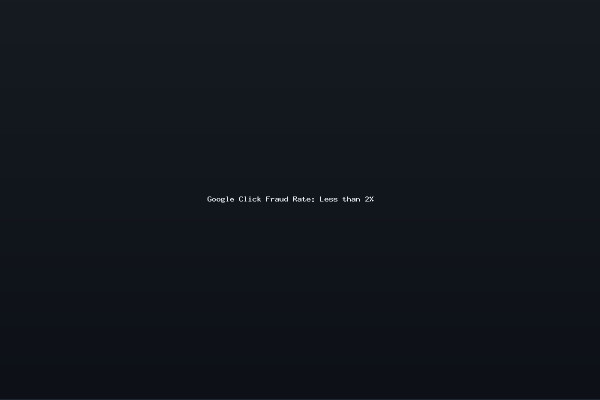
Here's a representation* of the slide shared by Ghosemajumder.
A click fraud rate of less than 2% is a world away from the 20% number given by some click fraud detection companies.
This is an amazing revelation and clearly shows that Google is getting tired of speculation and rumor filling the void left by the lack of transparency Google has with regards to their click fraud numbers. Ghosemajumder confirmed that internal discussion are ongoing as to whether Google should reveal exact numbers and put an end to the inflated estimates often quoted, when discussing click fraud. The biggest reason Google has for being hesitant about revealing the exact numbers, is fear that Yahoo and Microsoft will be able to leverage the numbers to deduce more information about AdWords.
Not All Click Fraud is Click Fraud
So how does Google explain the 15-30% click fraud numbers that have surfaced over the past several months? Ghosemajumder described how they monitor hundreds and hundreds of different signals in its efforts to detect click fraud. These identifiers are a strictly guarded secret with only the "click quality" teams having access to the information. Many advertisers - and click fraud detection companies - are looking at the wrong signals and often class valid clicks as fraudulent, or request refunds for clicks that Google had already discounted.
He gave a number of examples of how valid clicks could be misidentified. One included an advertiser seeing many clicks from the same IP address and surmising they must be fraudulent. Ghosemajumder described how many of these types of clicks are indeed valid, with so many people using corporate computers sharing the same IP, or ISPs assigning the same IP to more than one customer. Another common example of how click-fraud detection companies get it wrong is when counting reloads of an advertisers landing page. He described how a customer could click through to the landing page, view a product page, and then hit their "back" button, returning to the same landing page. Without correct tagging, Ghosemajumder said that one click and five page re-loads could easily be mislabeled as six clicks from the same visitor.
Google Becoming More Transparent
There is no doubt that we'll see Google becoming more and more transparent in its efforts to share click fraud information. They have no reason to keep quiet for much longer, as Ghosemajumder explained. Google is already filtering more than 98% of invalid clicks, before they show-up in the AdWords console, their goal is to filter 100% and suggestions they are not doing enough are misguiding in their eyes.
Don't miss other great articles and news stories from Marketing Pilgrim, win an iPod!
* The graphics shown above were not supplied by Google, but are accurate representations of what was shared with us.
Tag:
Bookmark Murdok:
Andy Beal is an Marketing Pilgrim and reach him at
Suggest a Correction
Google Click Fraud Rate: Less than 2%
1 views
Comments (0)
Please sign in to leave a comment.





No comments yet. Be the first to comment!