





Decoding Traffic Sources and Baseline Metrics
When a new product launches, the first pulse a marketer feels is the traffic that arrives on the website. Knowing where that traffic comes from is more than a curiosity; it reveals the audience’s intent and the effectiveness of every marketing touchpoint. The simplest way to start is to list every channel that can bring visitors - organic search, paid search, social platforms, email blasts, direct visits, referral links, and even offline campaigns that drive traffic to a landing page. Each of these channels behaves like a distinct demographic, and treating them all the same will hide valuable insights.
Once the sources are catalogued, the next step is to set up a baseline. A baseline turns raw numbers into a living barometer that can flag performance changes. Capture the average daily visits, the typical bounce rate, the session length, and the conversion rate for each source. Store those figures in a dashboard or spreadsheet and review them monthly. When a new advertising campaign rolls out, compare its results against the baseline. If the traffic spike is accompanied by a lower bounce rate and a higher average session length, the campaign is resonating. If the numbers are flat, the traffic might be noise.
Time‑series analysis adds depth to the baseline. Plot each metric over weeks, months, or even seasons. Patterns will surface - traffic may rise during industry conferences, dip during public holidays, or spike after a product demo. Those fluctuations inform the marketing calendar. If you notice a consistent rise in organic traffic after a certain day of the week, schedule content releases to coincide with that trend. Tracking metrics across time also flags algorithm changes or competitor activity that might affect rankings or visibility.
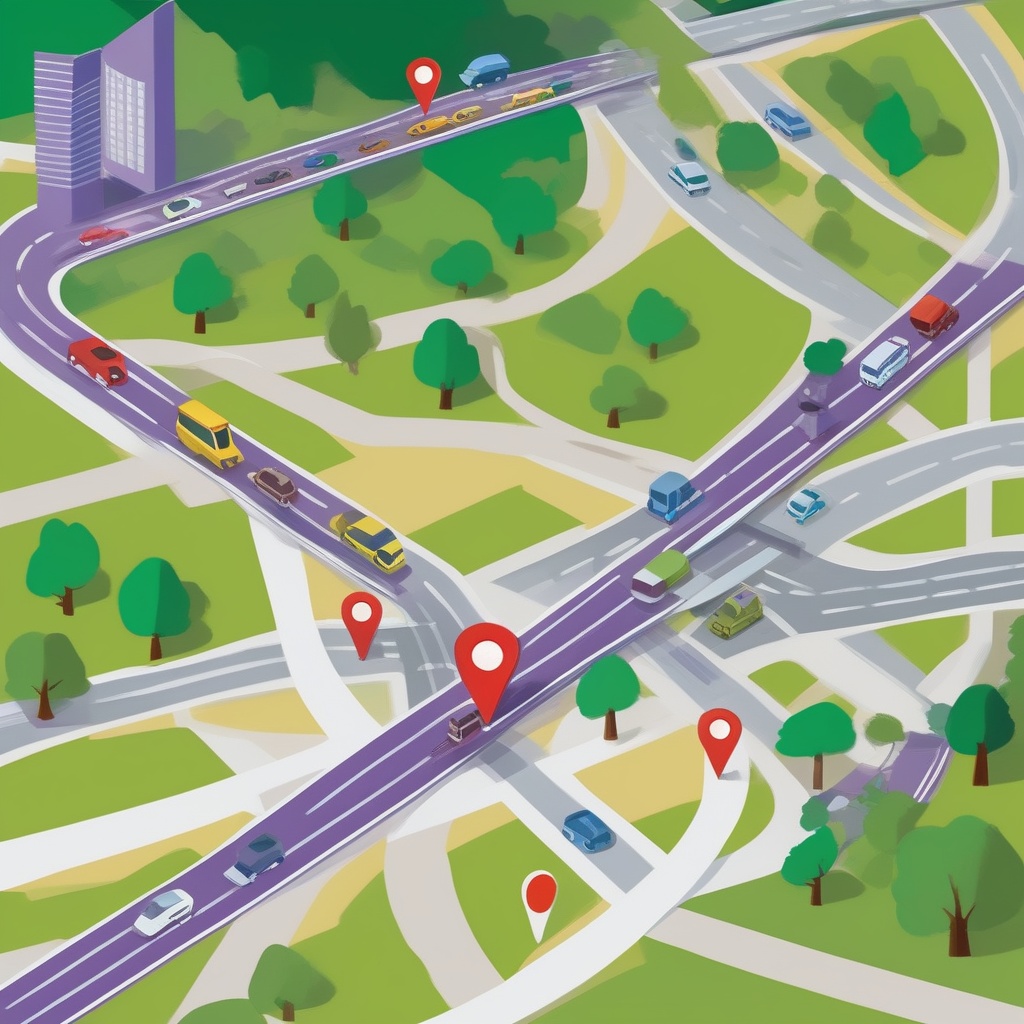
Understanding the mix of visitor intent requires a deeper look at source content. Think of each channel as a mode of transportation. A visitor arriving from a search query that includes “buy” or “discount” is traveling on a car - direct and goal‑oriented. A visitor clicking a link in an industry blog is more like a bus ride - informational and early in the research phase. Combine source data with keyword intent to map where visitors sit in the funnel. Knowing this allows you to tailor landing pages to match the traveler’s journey - provide detailed specs for buyers, or educational content for researchers.
The funnel view in analytics tools becomes the map of that journey. Define a funnel that starts with the landing page, moves through key content pages, and ends at the conversion event. Track the drop‑off at each step. If a large percentage of visitors leave after the first product page, the issue might be the page load time or a confusing call‑to‑action. Run a split test on the page: use simpler copy, a clearer button, or a different layout. Measure whether the drop‑off rate improves. The test results feed back into the next iteration, creating an optimization loop that never stops.
Device and geography add another layer of granularity. Mobile traffic often shows higher bounce rates but shorter dwell times because visitors on phones scan for quick answers. Do not assume that a high volume of mobile visits means engagement; dive into the mobile metrics to confirm. Geographic data can expose underserved markets. If a localized ad in Germany brings a surge in traffic, the creative resonated culturally. Use that insight to target similar regions or adjust messaging for others.
Aligning traffic goals with business objectives completes the picture. Define what each channel should deliver - lead generation, brand awareness, or direct sales - and set custom goals in your analytics platform to track those actions. A lead‑generation campaign should focus on traffic that lands on contact forms or downloadable assets. A brand‑awareness push tracks pageviews and time on site. By tying each source to a specific goal, you can calculate the return on investment for every channel with precision. Marketing spend becomes a measurable activity rather than an educated guess.
Finally, keep the system flexible. Traffic patterns shift as competitors launch new offers, search engines tweak algorithms, or audiences change habits. Adopt a mindset of curiosity: when a trend changes, drill down to the cause. That constant questioning ensures your traffic analysis remains relevant and actionable.
Unpacking Visitor Behavior: From Engagement to Conversion
After traffic sources are mapped, the focus moves to the path visitors take once they land on the site. Engagement is a series of micro‑decisions driven by page design, content relevance, and emotional connection. The goal is to see those decisions in motion - through time spent, clicks, and actions - and use the insights to create experiences that feel intuitive.
Heatmaps and scroll maps are visual tools that reveal how visitors interact with a page. Heatmaps show where clicks cluster, while scroll maps indicate how far users scroll before leaving. These visuals are powerful but not silver bullets. They should be paired with behavioral analytics to confirm patterns. For instance, if a heatmap shows many clicks on a banner but the analytics report shows no conversions, the banner’s promise may not match the landing page content. That disconnect flags a misalignment that needs fixing.
Time on page is another critical metric. A short dwell time on a product page can signal dense content, slow load times, or a mismatch between visitor expectations and page content. Conversely, a long dwell time on a pricing page might indicate indecision or a lack of trust. Set a target dwell time based on the page’s purpose. Test variations - shorten copy, add bullet points, reorganize the layout - and measure whether engagement improves. Small tweaks can convert a wandering visitor into a qualified lead.
Navigation behavior tells you about intent and friction points. Segment visitors by the depth of their journey: first‑time visitors usually view fewer pages, while returning visitors explore deeper. Map the most common paths and identify “funnels” that funnel visitors toward conversion points. If a large number of users drop off after the second page, the early part of the journey has friction. Test alternative navigation cues - clearer menu labels, sticky calls‑to‑action, or a simplified menu structure - to guide users forward.
Social proof can dramatically influence how long a visitor stays and whether they move deeper. Testimonials, user reviews, and trust badges act like safety nets that reduce uncertainty. Position them strategically on landing pages, product detail pages, and checkout screens. Consider collecting real‑time feedback through short pop‑ups that ask visitors if they found what they were looking for. Immediate sentiment data helps adjust the experience on the spot.
Not all engagement carries equal weight. A visitor who watches a demo video for ten minutes contributes more value than one who scrolls a short article for a minute. Segment engagement by action type - videos viewed, forms filled, downloads, social shares. Assign a weight to each action based on its contribution to business goals. Combine these weighted actions into a composite engagement score. This score tells you which visitors deserve the next step of nurturing and which may need additional incentives to progress.
Continuous testing keeps the experience relevant. Adopt a hypothesis‑driven approach: for every observed behavior, propose a test to confirm and measure the outcome. If visitors abandon the checkout page at a high rate, test whether simplifying the form or adding progress indicators reduces abandonment. The results of these small experiments accumulate into a more engaging site that adapts to user needs over time.
In short, by turning engagement metrics into a story of micro‑decisions, you gain the power to fine‑tune every touchpoint. Each test, each heatmap, each dwell‑time tweak moves visitors closer to conversion, building a website that not only attracts but also retains interest.
Turning Visits into Customers: Advanced Segmentation and Retention
Converting traffic into tangible sales or leads is the final piece of the marketing puzzle. It requires a disciplined approach to segmentation - dividing the audience into meaningful groups based on behavior, demographics, or purchase history - and then tailoring messaging and offers to each segment.
Begin by mapping a clear conversion funnel that outlines every step from initial interest to final purchase or lead capture. Include micro‑conversions - newsletter sign‑ups, resource downloads, or webinar registrations - that signal intent and give opportunities for nurturing. Measure the conversion rate at each stage and pinpoint bottlenecks. If the opt‑in rate is low, test a stronger incentive or a more compelling headline; if the cart abandonment rate spikes, examine the checkout flow for friction.
Customer lifetime value (CLV) informs how much you can invest at each funnel stage. A high CLV means you can justify higher spend on acquisition and retention tactics. Segment customers by CLV to prioritize resources. If a high‑value segment drops off at the checkout, consider retargeting ads or a personalized checkout experience that reassures the buyer of quality and value.
Predictive analytics turns historical data into foresight. Feed past customer data into machine learning models to forecast which segments are most likely to convert or churn. Use the resulting scores to personalize offers: recommend complementary products to high‑probability buyers or re‑engage those at risk of leaving. Personalized interventions outperform generic campaigns because they speak directly to the visitor’s needs and stage of the journey.
Retention is a cost‑effective revenue driver. Segment customers by purchase frequency or engagement level and craft retention strategies that match their behavior. Loyal customers might receive exclusive discounts or early access to new products, while newer customers benefit from onboarding email sequences that highlight key features. Track metrics such as repeat purchase rate and churn rate within each segment to measure the effectiveness of these initiatives.
Pricing strategy also benefits from segmentation. Different customer groups exhibit distinct price sensitivities. Analyze purchase data to group customers into high‑price‑tolerant, mid‑price‑tolerant, and price‑sensitive segments. Test tiered pricing or bundle offers with each group and observe which combinations maximize revenue while preserving margins. Align the price points with the value perceived by each segment, making the offer feel fair and attractive.
Finally, bring online and offline touchpoints into a single view. Map a cross‑channel journey that includes store visits, support interactions, and social media engagement. Combine data from disparate sources to gain a richer understanding of customer behavior. Use that integrated perspective to synchronize tactics - time an in‑store event with an online promotion, for example - creating a seamless experience that nudges visitors toward conversion.
By weaving segmentation, predictive insights, and retention tactics into a cohesive strategy, you turn fleeting traffic into loyal customers. Each segment receives the right message at the right moment, ensuring that marketing spend delivers measurable outcomes rather than intuition alone.







No comments yet. Be the first to comment!