




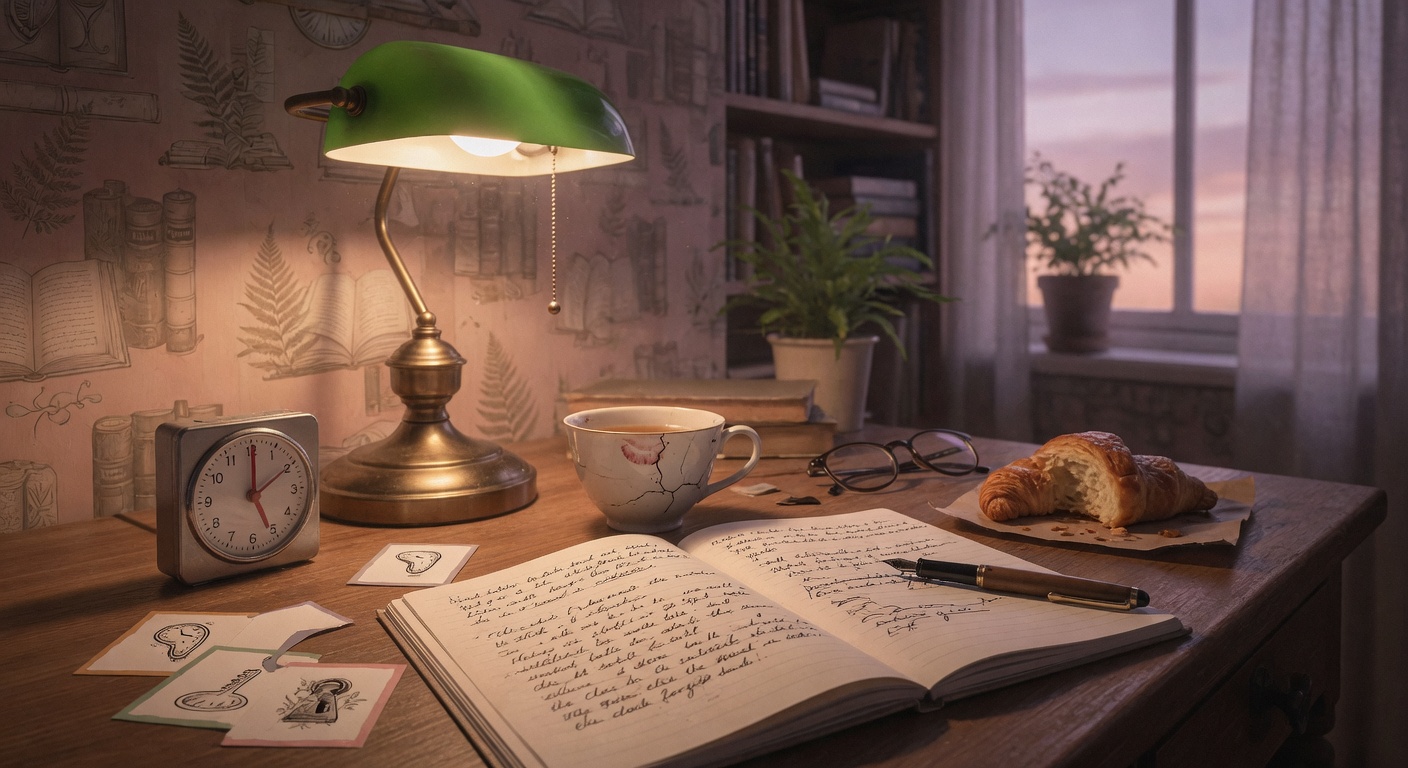
Many writers squeeze creative work into the edges of busy days. Fifteen minutes with a focused prompt can generate raw material that you shape later, keeping the thread alive without demanding a full afternoon. The key lies in treating the AI response as one possible version rather than a finished block. You read it, note what feels off or right, and carry only the useful pieces into your own file.
AI models lack your lived knowledge of the characters or the emotional weight behind a memory. They produce patterns based on training data, so any historical detail or personal fact needs your verification. Voice remains yours alone. After the session ends, read the new lines aloud and change anything that sounds borrowed rather than native to your ear.
These short sessions reward repetition. A writer might run the same prompt twice with different constraints to compare results, then blend the stronger phrases. Over weeks the habit builds a stockpile of fragments that turn into scenes, stanzas, or essay openings when longer time appears.
Prompts for Generating Scenes and Dialogue
Scene prompts work well at the start of a session when you know the emotional goal but not the surface action. Keep the requested output short so you finish reading and deciding inside the fifteen minutes.
Use this prompt when two characters must reveal information through tension rather than explanation.
Adapt the same structure for poetry by asking for alternating short lines instead of prose tags, or for memoir by replacing the fictional pair with a remembered conversation you want to reconstruct.
Try this next prompt when you need a setting that reflects a character's internal state without stating it outright.
For poetry, change the request to a 12-line description with line breaks after each sensory image. Memoir writers can substitute a real room from their past and keep the same constraints on length and omission.
The third prompt helps when you want to test how a character would respond to an unexpected question.
Poets can request the replies as three short stanzas with strict syllable counts. Essayists can turn the replies into three short paragraphs that explore the same question from different remembered angles.
Exercises for Poetry Drafting and Quick Revision
Poetry and revision prompts fit the fifteen-minute window because they ask for constrained output that forces quick choices. You receive material you can immediately line-edit or expand on your own page.
Start a session with this prompt when you have an image but no structure.
Fiction writers adapt by expanding the eight lines into a single paragraph scene that keeps the same noun-verb rule. Memoir writers replace the gate image with a remembered object and keep the line constraints as a drafting exercise.
Run this revision prompt on any paragraph or stanza you wrote earlier in the week.
Poets paste a stanza instead of prose and ask for line-break alternatives. Fiction writers can request changes that affect dialogue tags only. Memoir writers focus the request on accuracy of recalled detail rather than rhythm.
The final prompt turns a finished scene or poem into a compact synopsis for later use.
Poets adapt by summarizing the movement across stanzas rather than plot. Memoir writers keep the three-sentence frame but substitute personal stakes for fictional ones. The resulting sentences become useful anchors when you return to the project later.





No comments yet. Be the first to comment!