




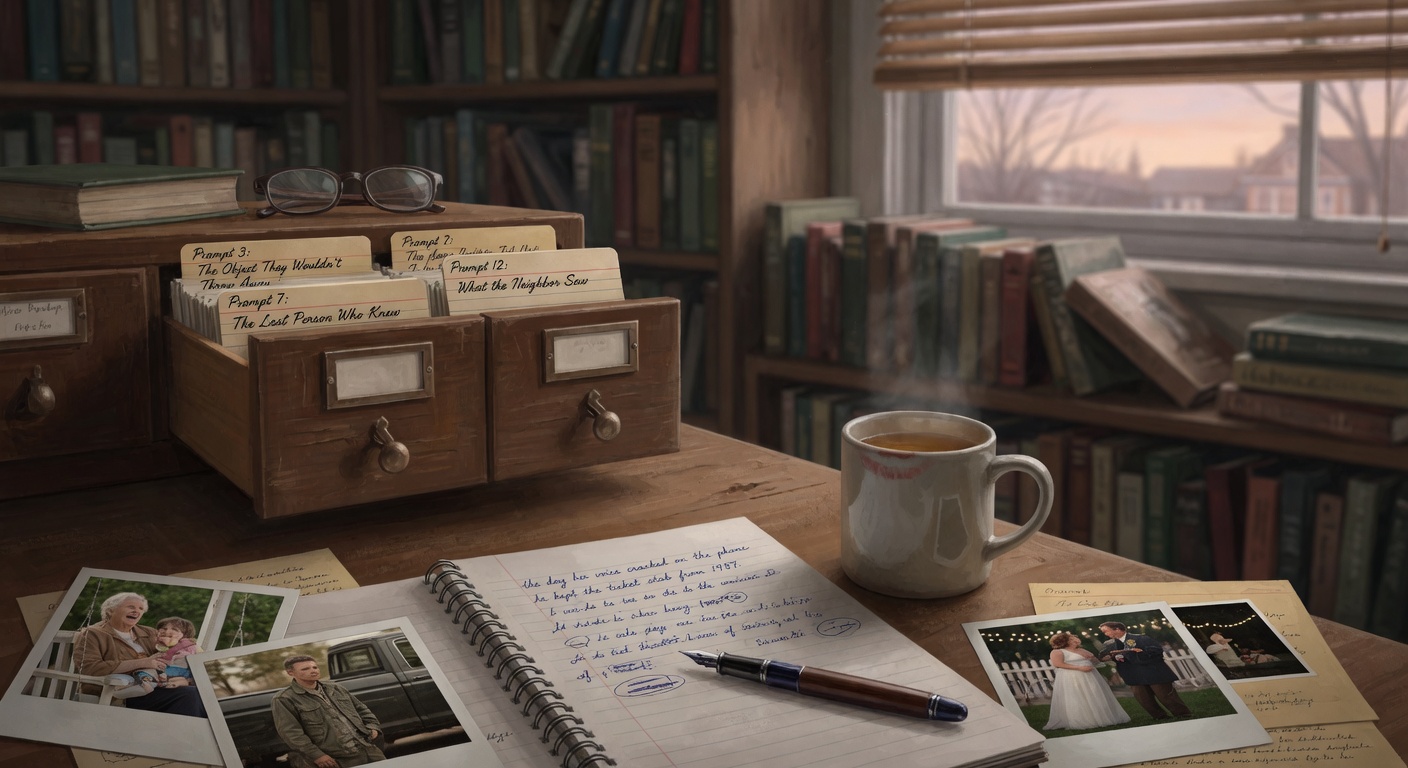
Finding the Heart of Human Interest Pieces
Human interest stories succeed when they capture small moments that reveal larger truths about resilience, connection, or loss. Writers often begin with an interview transcript, a personal memory, or a news clipping and then face the task of turning raw material into something readers feel. AI models can help by suggesting fresh angles or filling in sensory gaps, yet they remain pattern-matchers rather than witnesses. You still decide which details matter and how your own perspective colors the account.
Many authors keep a running note file of observed gestures or overheard phrases from their subjects. When the draft stalls, a well-shaped prompt can propose ways to arrange those fragments without inventing facts. The model might offer three different openings for the same anecdote, letting you test which tone aligns with the person you met. After each suggestion, cross-check names, dates, and quotes against your records so the finished piece stays grounded.
Genre shifts require only small additions to the same base prompt. Memoir writers can ask the model to stay in first person and insert the narrator's later reflection. Poets can request line breaks and image compression instead of prose paragraphs. Fiction authors might request changed names and one invented supporting character while preserving the original emotional sequence. In every case the output serves as a draft layer, not the final authority.
Prompts for Generating Human Interest Scenes
Use this prompt when an interview has given you a single vivid encounter but you need a fuller scene that shows setting and feeling without adding unsupported events.
Apply this prompt after you have transcribed a conversation and want to explore how dialogue might reveal character under pressure.
Turn to this prompt when you have a list of biographical details and need help surfacing an emotional through-line for the opening section of a profile.
Workflow Prompts for Revision and Genre Adaptation
Once a rough draft exists, these prompts help tighten focus and test different forms. Run the first one on any scene that feels flat after two readings.
Use the next prompt when you want to test whether the same material could work as a short lyric sequence for a poetry journal that accepts hybrid nonfiction.
Apply this final prompt when you are ready to move from notes to a full synopsis for a longer essay or when adapting the piece for a fiction market that allows real-life inspiration.
After any AI pass, read the result aloud against your original recordings or journal entries. The model can surface overlooked connections or rhythmic possibilities, yet only your ear and your firsthand knowledge can confirm that the finished sentences still belong to the people whose lives you are recording.





No comments yet. Be the first to comment!