




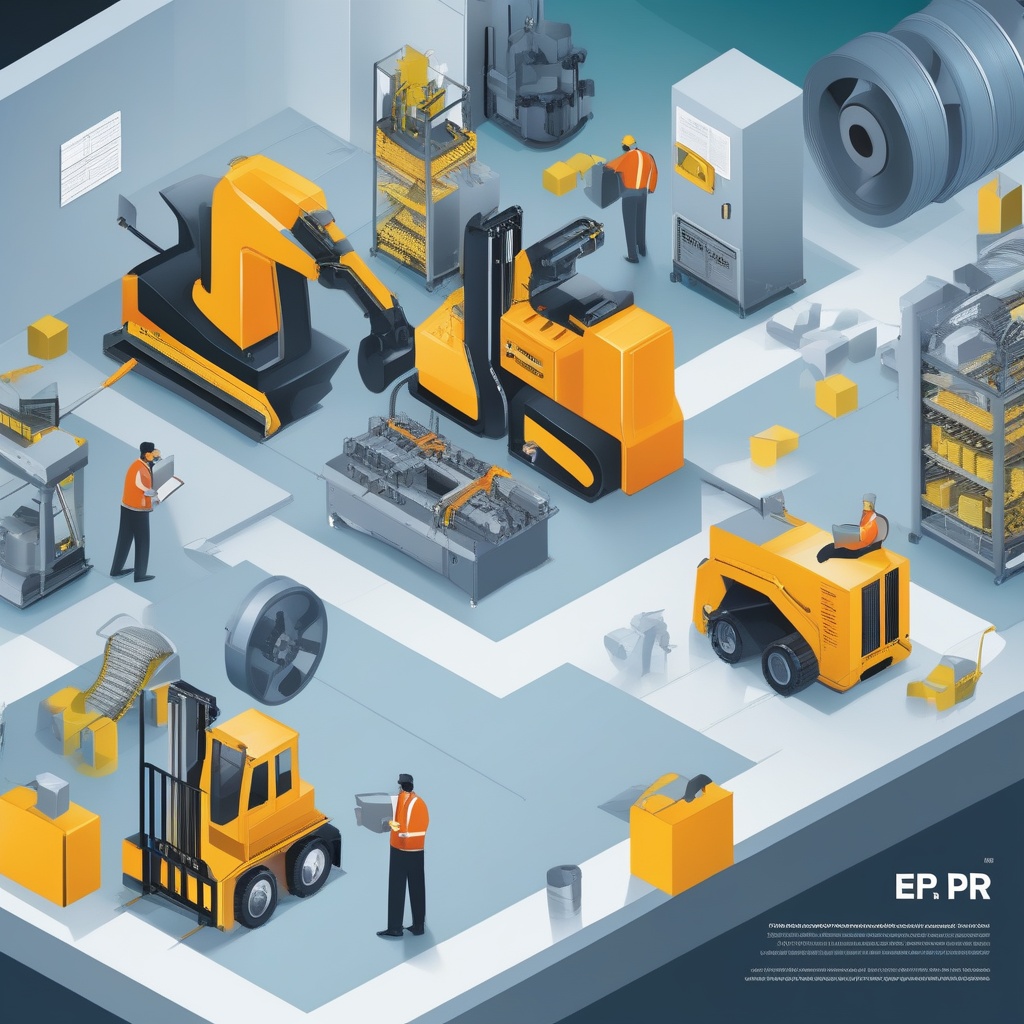
Why Small and Mid‑Sized Manufacturers Are Turning to ERP
When a manufacturer runs a business under $1 billion, every dollar counts. Recent surveys from Ross Systems show that cost savings drive the majority of these companies toward an enterprise resource planning (ERP) system. But the drive is more than just trimming the bottom line. Three in five executives cited industry and regulatory compliance as key reasons for a new ERP, with customer service trailing closely behind.
These figures come from a poll that asked Ross’s 1,200+ customers - spanning $5 million to over $1 billion in revenue - what they see as the biggest pressure points in the manufacturing arena. A striking 63 percent answered that cost control, compliance, and customer satisfaction are the top challenges. The number rises to 75 percent when asked whether ERP is a business imperative for achieving returns on their IT spend.
In the same study, 53 percent of respondents who use Ross’s iRenaissance platform noted a direct competitive advantage. The answer is clear: when a system knows the rules of your specific industry, it can do more than just track inventory. It can spot gaps before they become costly problems, flag compliance issues before they trigger penalties, and provide the data needed to fine‑tune operations.
Cost savings often start with better visibility. A cloud‑based ERP aggregates production, sales, inventory, and finance data into one dashboard. That real‑time view lets managers cut waste, reduce lead times, and negotiate more favorable supplier terms. The savings can be reinvested in R&D, marketing, or new technology, creating a virtuous cycle that keeps a small or mid‑sized business competitive.
Compliance matters, too. Food and beverage producers face a maze of FDA, USDA, and state regulations. Life sciences companies wrestle with HIPAA, GMP, and ever‑shifting product safety rules. An industry‑specific ERP embeds these regulations into the workflow, so compliance becomes a feature, not a burden. The result is fewer audit findings, lower fines, and a stronger brand reputation.
Customer service rises in importance because modern buyers demand traceability and rapid response. When a system tracks each batch and its status, a manufacturer can provide precise lead times and recall notifications. That transparency wins repeat orders and boosts margins.
Finally, the pandemic and the push for digital transformation added urgency. Small manufacturers that had already integrated an ERP found they could adapt faster to new demand patterns, remote work environments, and supply chain disruptions. Those who hadn't had to scramble, re‑engineer, and risk lost sales. The survey reflects a growing trend: ERP is no longer an optional extra; it’s a prerequisite for staying alive in a crowded marketplace.
The Power of Industry‑Specific ERP Solutions
When 40 percent of RossWorld conference attendees said industry expertise was the top factor in selecting a vendor, it underlines a hard truth. General‑purpose software can manage basic data, but it can’t replace the specialized knowledge that comes with a deep understanding of a specific market. Food & beverage, biotechnology, and pharmaceutical manufacturers all operate under a set of rules that shape how products move through the plant, how ingredients are tracked, and how quality is measured.
Ross’s iRenaissance platform exemplifies this focus. It includes built‑in workflows for batch record management, serialization, and lot traceability. That means a producer can go from raw material receipt to finished product shipment in a single system, without having to write custom code or patch spreadsheets. The platform also provides real‑time dashboards that highlight compliance gaps, alert quality teams, and trigger corrective actions automatically.
Industry‑specific functionality becomes the most important factor for firms that deal with strict regulatory regimes. Half of food & beverage manufacturers rated it among the top two priorities, while 45 percent of life sciences producers did the same. The larger the organization, the more weight they place on regulatory compliance, because a single oversight can cost millions in penalties and lost revenue.
Ross’s experts work hand‑in‑hand with customers to implement these tailored solutions. They help define the data model, map the production processes, and train teams on how to use the system effectively. The result is a smoother rollout, fewer user errors, and a faster return on investment.
Another advantage of industry focus is scalability. As a small manufacturer grows, the system can scale to handle higher volumes, more product variants, and additional regulatory layers. Because the underlying architecture already supports the unique data points of that industry, expansion doesn’t require a complete overhaul. New modules can be added without disrupting daily operations.
Customer feedback confirms these benefits. Companies that switched to an industry‑specific ERP reported quicker response times to regulatory audits, fewer product recalls, and a higher percentage of on‑time deliveries. The numbers are compelling, but the real value shows up in the day‑to‑day operations - fewer manual checks, less duplicate data entry, and a single source of truth that everyone trusts.
For mid‑sized manufacturers, choosing a partner that already understands their niche can reduce the risk of costly missteps. A generic vendor may recommend best practices that feel irrelevant or even counterproductive. An industry‑specific vendor brings context - like the need for temperature‑controlled storage in biotech or the need for rapid serialization in food packaging - so the solution feels like a natural fit rather than an external add‑on.
In short, the investment in a specialized ERP platform pays off by aligning technology with the realities of the market. That alignment translates into fewer compliance incidents, smoother operations, and a clearer path to growth.
Compliance, Cost Savings, and Competitive Advantage Through ERP
Compliance is more than a checkbox; it’s a source of competitive advantage. Aberdeen Research’s Benchmark Report on Regulatory Compliance and Product Safety highlights that companies who view new technology as a holistic improvement - rather than a quick fix - see better outcomes. They achieve higher audit scores, reduce rework, and unlock operational efficiencies that drive profit.
ERP systems designed for compliance embed validation rules into every process step. When a batch is produced, the system automatically checks that the right ingredients were used, that the temperature log meets FDA requirements, and that the quality control results fall within acceptable ranges. If something falls outside the set thresholds, the system flags it and prevents the batch from moving forward until a corrective action is taken. This proactive approach turns compliance from a reactive chore into a continuous quality guardrail.
Beyond regulatory checks, industry‑specific ERP can cut costs through better inventory management. By tracking exact lot numbers, manufacturers avoid over‑stocking or running out of critical components. A real‑time inventory view means procurement teams can place orders just in time, reducing carrying costs and freeing up working capital. The savings from fewer safety stock layers and reduced spoilage add up quickly, especially in perishable food or high‑wage manufacturing environments.
Customer service also improves because the ERP provides visibility into every stage of the supply chain. If a customer inquires about a product’s origin, the system can pull up the entire production history in seconds. That transparency builds trust, reduces the risk of misinformation, and strengthens the brand’s reputation for accountability.
For larger manufacturers, the regulatory compliance factor becomes even more critical. A single non‑compliant batch can trigger recalls, legal action, and a blow to brand equity. By embedding compliance controls into the ERP, companies can avoid those scenarios before they occur. The system’s audit trail logs every change, so investigations become faster and more accurate, saving time and money.
The competitive edge also shows up in market speed. A manufacturer that can reliably produce a new product variant in record time can respond to consumer trends faster than competitors stuck in manual paperwork. An ERP that integrates design, production, and quality control means fewer handoffs, lower lead times, and a quicker time‑to‑market for innovations.
Ross Systems customers who reported a competitive advantage from iRenaissance cited faster decision‑making, fewer compliance breaches, and higher customer satisfaction scores. The data points illustrate a pattern: when ERP addresses the three core pain points - cost, compliance, and service - small and mid‑sized manufacturers position themselves as leaders in their niche, rather than followers.
Ultimately, the choice to invest in an ERP system that reflects the intricacies of a specific manufacturing domain delivers measurable returns. It reduces waste, eliminates costly compliance failures, and empowers companies to meet customer demands with precision. That trio of benefits is why the majority of small and mid‑sized manufacturers see ERP not just as a technology upgrade, but as a strategic asset that fuels growth and resilience.








No comments yet. Be the first to comment!