





The Spark That Starts Every Legend
When people remember Oprah Winfrey, Bill Gates, or Tiger Woods, they picture icons who seem almost untouchable. The public often assumes that extraordinary talent or a lucky break is behind their rise. But the reality is simpler: every remarkable story begins with a single, almost invisible seed of intention.
Nature offers a clear analogy. An elephant starts life as a tiny calf, vulnerable to predators. A whale is born as a minuscule fry, drifting in the vast ocean. The Amazon River begins as a trickle, winding through hills before it becomes a mighty force that shapes continents. In each case, the outcome depends on the seed’s ability to grow, not on any mystical quality. The same applies to people. Every legend - whether a tech mogul, an athlete, or a creative - originated in modest surroundings, with limited resources but an unbounded curiosity.
What sets those who reach the pinnacle apart from those who remain where they started is not a supernatural gift. It is a deliberate choice, a quiet decision that declares, “I will change the way I live.” That decision, though small, sparks a cascade of actions. Think of it as lighting a match in a dark room: the flame may be tiny at first, but with the right environment it expands into a blaze that illuminates everything around it.
Often that first spark appears when a person can no longer accept the status quo. For Oprah, it was the decision to break traditional television hosting molds and create a platform that resonated with millions. For Bill, it was questioning the purpose of a Harvard degree when the world of computing was just beginning to unfold. For Tiger, it was the stubborn drive to turn a simple swing set into a world‑class golf career. Each of them, at a certain point, stopped pretending they were content with the average, and they made the bold, quiet decision to chart a different path.
This decision is the pivot that turns potential into greatness. It isn’t a sudden revelation but a steady belief that the current situation is not a fixed limit. The act of deciding to change opens a new direction. As new doors open, opportunities that were once invisible become accessible. The universe rewards such decisions with chances to prove that the initial spark can ignite an entire movement.
Greatness is not instant. Patience is essential. The early days are rough: ideas face rejection, finances are tight, mentors may not recognize the vision. Yet, perseverance turns each challenge into a step closer to the goal. The journey itself builds character, teaching resilience, adaptability, and humility - qualities that later propel a person to the pinnacle of their field.
In short, greatness is rooted in a small, intentional choice. It whispers, “I will rise.” The world listens to that whisper, and every success story that follows reminds us that the grandest victories begin with a single, quiet decision.
Choosing the Road Less Traveled: How Bold Decisions Forge Leaders
When a person takes a path that defies convention, the world often reacts with doubt or ridicule. Yet it is precisely those moments of criticism that separate visionaries from ordinary thinkers. The most influential figures we admire were once met with skepticism.
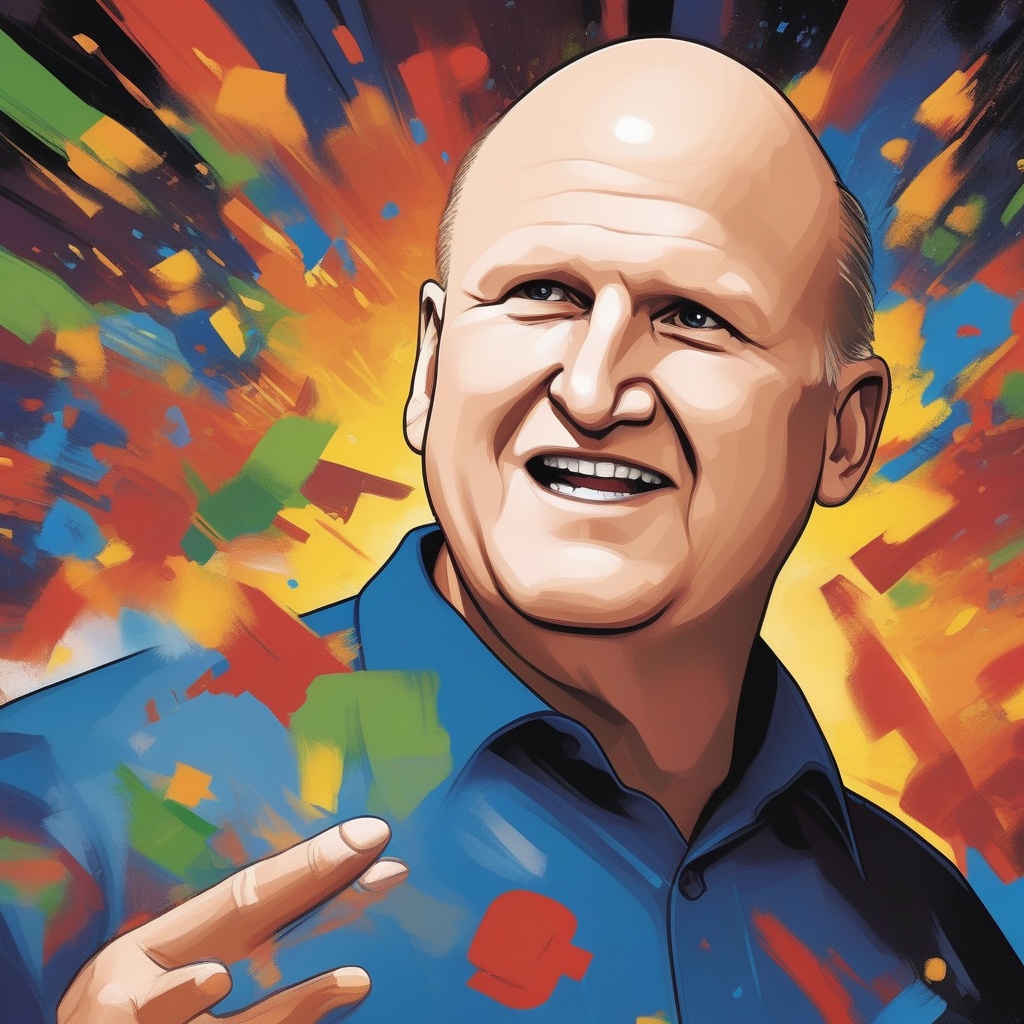
Bill Gates exemplifies this pattern. Dropping out of Harvard in his junior year was seen by many as a reckless move. Critics labeled it a mistake. Yet within a few years Gates founded Microsoft, creating software that would shape the modern digital landscape. His choice to leave the academic comfort zone became the foundation of his legacy.
Will Smith’s story provides another powerful illustration. He declined a scholarship to MIT, choosing instead to pursue a music career. While many questioned whether he would succeed, Smith’s confidence and dedication led him to become a household name and a multimillion‑dollar mogul by the age of 18.
Quincy Jones turned down a high‑ranking corporate role, opting to work in the music industry’s trenches. The choice seemed risky, but Jones’s daring led to an unprecedented career as a producer and mentor for some of the world’s most famous artists. He proved that stepping away from secure positions can open doors to creative freedom.
Entrepreneur Sabeer Bhatia offers a modern tale. When Microsoft approached him to buy Hotmail, Bhatia refused, despite pressure from colleagues and investors. He chose to nurture his own vision, and the result was an email platform that grew into a global powerhouse. His courage to say “no” to a giant company is a testament to the power of staying true to one’s instincts.
Each of these moments shares a common thread: the decision to act on personal conviction, not on external expectations. When you choose a path that feels right to you - regardless of how others see it - you set a course that is uniquely yours. Authenticity attracts the right people, opportunities, and momentum.
It is vital to remember that the journey rarely runs smoothly. Every bold choice carries risk, and setbacks will surface. The difference lies in how you respond. Instead of letting criticism turn into self‑doubt, treat it as feedback that can be refined or ignored. Focus on the vision that guided the original decision and let it steer every subsequent action.
To stay aligned with inner drive, ask yourself regularly: “Would I make this choice if I didn’t have an audience? If I didn’t need external validation?” If the answer is yes, you’ve found a path that truly belongs to you. If not, consider adjusting until the goal feels authentic. By aligning actions with inner values, you build a foundation that can withstand criticism and emerge stronger.
When you learn to make decisions that are unapologetically yours, you create a ripple effect that propels you beyond ordinary achievements. That is how the giants of today grew: by turning unpopular choices into the very engines of their greatness.
Laying One Step at a Time: Turning Dreams into Achievable Milestones
Every towering accomplishment starts with small, manageable steps. If the distance between where you are and where you want to be feels overwhelming, break the journey into a series of short‑term milestones. Think of the path ahead as a staircase: each step is a goal you can realistically reach.
Begin with the first landing - make a clear, decisive choice to change your trajectory. Ask yourself, “What is the one change I can commit to today that will set my future in motion?” Write it down. A simple statement such as “I will begin learning coding for two hours a week” becomes a concrete commitment that moves you forward.
The next landing involves documenting your aspirations. Draft a brief vision statement that captures what you want to achieve. Keep it concise and inspiring. For instance, “I want to build a startup that helps people learn languages through gamified experiences.” This written vision acts as a North Star, guiding each subsequent action.
The third landing focuses on planning. Break your vision into tangible tasks. Identify resources you need - books, mentors, courses, or networking events. Set weekly targets, such as “Attend one meet‑up for tech entrepreneurs” or “Complete the first module of an online coding course.” Treat each target as a short‑term goal that builds toward the ultimate objective.
As you execute these tasks, keep an eye on progress. Celebrate small wins; they reinforce momentum. When you hit a snag, analyze what went wrong and adjust. This iterative process turns the staircase from a rigid structure into a flexible ladder that adapts to your growth.
In moments of doubt, revisit the stories of icons you admire. Picture yourself standing at the bottom of a stairway, with the top landing as your dream. Visualize each step as a skill you’re mastering - networking, problem‑solving, resilience. By visualizing the climb, you remind yourself that the distance between where you are and where you want to be is simply a series of steps.
Another effective technique is to seek mentorship. Reach out to someone in your desired field - a former teacher, a local business owner, or an online community leader. Even a single conversation can provide new perspectives and help refine your plan. Many successful people began by asking, “Can you give me one piece of advice?” The response is often priceless.
Finally, remember that the staircase is yours to build. The decisions you make at each landing should reflect your values, not someone else’s expectations. Stay disciplined, but also allow room for experimentation. If a particular strategy isn’t working, pivot. The key is to keep moving upward, one step at a time.
When you turn goals into a sequence of actionable steps, the path to greatness becomes tangible. The climb feels less daunting because each step feels achievable. Over time, those small, steady increments accumulate, and the landing you once thought far away becomes your new baseline, ready for the next ascent.







No comments yet. Be the first to comment!