




The First 60 Seconds: Creating an Instant Connection
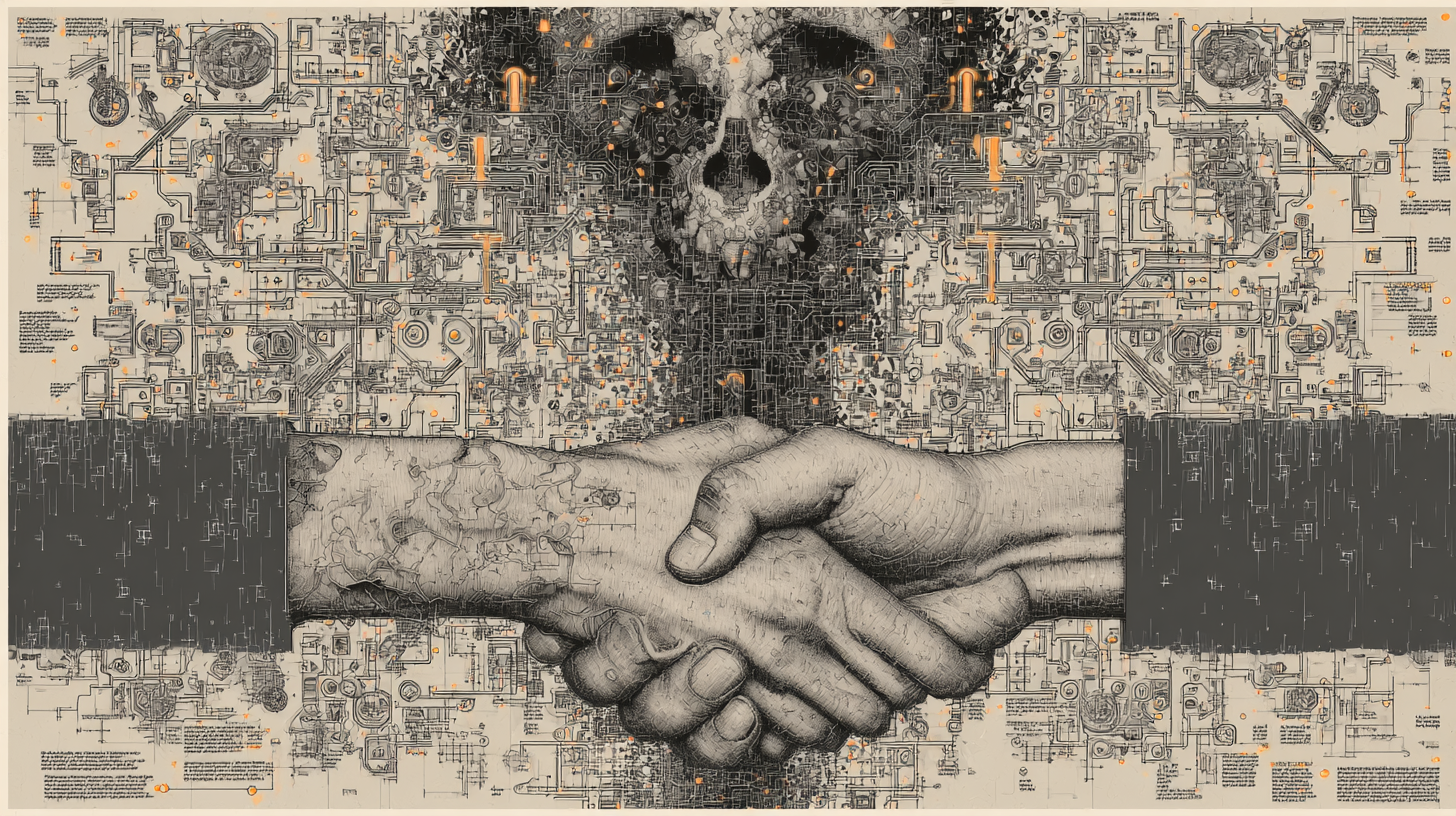
Picture this: you step into the interview room and the hiring manager looks up from a stack of resumes, eyes landing on you before you even open your mouth. That first glance is a silent handshake, a cue that chemistry will either flourish or flounder. The key isn’t in a rehearsed laugh or a perfect posture; it’s in how you present your genuine self when the moment is raw and unfiltered. If you approach the encounter as a conversation rather than a performance, you’ll feel the pressure ease and the energy shift in your favor. Remember, the goal is to become memorable in the same breath you are professional.
When the room opens, the initial exchange often includes a simple greeting and a handshake. It’s a small gesture, but its impact can be huge. Offer a firm, friendly handshake with a smile that reaches your eyes - eye contact signals confidence without arrogance. At the same time, keep your tone warm, avoiding a robotic cadence that could come off as disinterest. By matching your energy to the interviewer's, you establish an unspoken rapport that sets a collaborative tone for the rest of the conversation. The body language you choose should be open, relaxed, and unguarded.
Following the handshake, the manager will likely ask a routine question such as, “Tell me about yourself.” Many candidates stumble into a bullet‑point résumé reading. Instead, frame your answer as a story that ties your background to your present motivations. Think of a thread that weaves your past, present, and future aspirations into a single narrative. Keep it concise - ideally under two minutes - but ensure it reveals personality, resilience, and a clear vision. This storytelling approach humanizes you, allowing the interviewer to connect with you on a more personal level.
As you speak, listen more than you speak. Notice the manager’s responses, their facial expressions, and their emphasis on particular topics. If they lean forward, nod, or pause for emphasis, those cues indicate what they value. Use that feedback to steer the conversation toward shared interests or values. For instance, if they mention a recent company initiative, you might weave a brief anecdote that aligns your experience with that initiative. Demonstrating that you can adapt and engage with what matters to the interviewer further strengthens your chemistry.
Another subtle but powerful tool is mirroring. Subtle mimicry of the interviewer's posture, gestures, or vocal cadence can create a sense of unity. The trick is to stay subtle - mirroring should feel natural, not forced. If the interviewer leans in, you can lean in a little too. If they speak in a slightly lower register, you can match that tone without overdoing it. When executed well, mirroring signals empathy and creates a psychological bond that can carry through the rest of the interview.
Finally, be mindful of the environment. A cramped, noisy space can heighten tension; a calm, well-lit room invites ease. If the setting feels off, a quick observation or a polite comment can diffuse awkwardness and show you’re aware and adaptable. For example, you could note, “It’s great to have a quiet corner to dive into details.” This kind of comment demonstrates attentiveness and a proactive attitude. By navigating the first minute with presence, authenticity, and attentiveness, you set the stage for a meaningful connection that will echo throughout the interview.
Beyond the Resume: Showcasing Personality Through Stories
After the initial handshake, the interviewer will naturally dive into questions that probe your experience, skills, and fit. While the résumé offers a snapshot of your accomplishments, it rarely captures the person behind the bullet points. The real opportunity to build chemistry lies in how you translate those achievements into relatable narratives that resonate with the hiring manager’s values and culture. Think of each answer as a chance to weave personality, passion, and purpose into a cohesive story that feels both authentic and relevant.
When you encounter a behavioral question - such as, “Describe a time when you faced a significant challenge” - avoid a generic, “I handled it well” response. Instead, adopt the STAR method (Situation, Task, Action, Result) but inject color into each element. Paint the Situation with vivid detail: describe the environment, the stakes, the people involved. Make the Task specific, revealing what you were responsible for and why it mattered. During the Action segment, highlight your decision-making process and the skills you employed. Then, in the Result, share quantifiable outcomes as well as personal reflections on what you learned. By turning data into a story, you help the interviewer visualize you in action, creating a stronger emotional connection.
Beyond structured questions, informal prompts like, “What’s something you’re proud of?” offer a free‑form canvas. Use this as a showcase of your values. If you’re passionate about community service, recount a volunteer experience that shaped your approach to teamwork. If you love learning, describe a recent project that pushed your technical boundaries. In each case, keep the focus on the narrative arc: why it mattered to you, what you did, and what impact it had. This not only demonstrates competence but also reveals your core motivations, making you more relatable and memorable.
Listening skills play a critical role in delivering these stories effectively. After the interviewer poses a question, pause briefly to collect your thoughts. A moment’s hesitation signals that you’re considering the best angle, rather than rushing into a rehearsed answer. It also gives the interviewer time to process what you’ve said, reducing the risk of miscommunication. As you speak, vary your vocal dynamics to emphasize key points - slight changes in pitch or pacing can keep the listener engaged and mirror the ebb and flow of natural conversation.
It’s essential to align your stories with the company’s mission and culture. Before the interview, research the organization’s values, recent initiatives, and industry reputation. This groundwork allows you to tailor anecdotes that resonate. If the company emphasizes innovation, highlight an instance where you introduced a novel solution. If they prioritize collaboration, recall a cross‑departmental project where teamwork was vital. By aligning personal achievements with corporate priorities, you signal that you’re not only capable but also an intentional fit.
When you finish a story, invite the interviewer to delve deeper or ask a follow‑up question. This turns a one‑way narrative into a dialogue, fostering an interactive dynamic. You might say, “I’d be happy to elaborate on the process I used.” This subtle prompt encourages the manager to engage more fully, deepening the conversational chemistry. Even the simple act of inviting further discussion indicates openness, curiosity, and a willingness to collaborate - qualities that enhance interpersonal rapport.
After the interview, reflect on the stories you shared. Did they feel cohesive? Did they evoke enthusiasm? This self‑evaluation helps you refine your storytelling technique for future opportunities. The more polished and authentic your narratives become, the stronger the personal chemistry you can establish in subsequent interviews. Ultimately, mastering the art of storytelling transforms what could be a sterile Q&A into a compelling dialogue that showcases your unique personality and professional value.
Sustaining the Connection: Follow‑Up and Feedback
Once the interview concludes, the conversation doesn’t end. In fact, the follow‑up period is a critical phase where you can reinforce the chemistry you cultivated during the face‑to‑face exchange. Timing, tone, and personalization are key to making your post‑interview communication stand out, showing that you remain engaged, thoughtful, and aligned with the organization’s culture.
A timely thank‑you note is the cornerstone of a strong follow‑up. Ideally, send it within 24 hours of the interview. The message should reference specific moments from the conversation - perhaps a particular challenge the company is tackling or a shared anecdote that sparked genuine laughter. By tying the note back to a unique detail, you demonstrate active listening and genuine interest. Keep the tone warm yet professional; a handwritten note may still be appropriate if the company culture values tradition and personal touches.
In the email or letter, you can also include a brief reflection on how your skills or experiences align with the discussed role. For instance, “Our discussion about expanding the data analytics team resonated with my recent work on predictive modeling, and I’m excited about the opportunity to contribute.” This statement reiterates your fit while subtly reaffirming the chemistry you established during the interview. Avoid over‑selling; instead, focus on genuine alignment and curiosity about how you can contribute.
Another powerful follow‑up tactic is to share additional resources that align with the interview discussion. If the manager mentioned a recent project involving machine learning, you could attach a whitepaper or a case study that showcases your expertise. This gesture signals that you are proactive, knowledgeable, and invested in the company’s success. Just be sure to keep the attachment concise and relevant, respecting the manager’s time and inbox space.
As you await a decision, remain open to ongoing communication. If the hiring manager asks for references or additional documentation, respond promptly. Provide references that best reflect your professional demeanor and collaborative spirit, rather than merely a list of supervisors. A reference letter that speaks to your interpersonal skills can reinforce the positive chemistry you cultivated during the interview.
During the waiting period, continue to engage with the company’s content - follow them on social media, comment thoughtfully on relevant posts, or share industry insights that may be of interest. This low‑effort engagement demonstrates your ongoing interest and keeps you visible in the organization’s mind. It also offers natural conversation starters should you connect with the hiring manager again.
Finally, request constructive feedback once a decision is made. If you’re not selected, politely ask what areas could be strengthened for future opportunities. This shows humility and a commitment to personal growth. Even if you are selected, express gratitude for the insight gained during the process. A well‑crafted follow‑up not only solidifies the personal chemistry you built but also positions you as a thoughtful, engaged professional who values communication at every stage. By integrating these follow‑up practices into your interview routine, you turn a single conversation into a lasting professional relationship that can open doors beyond the current opportunity.






No comments yet. Be the first to comment!