




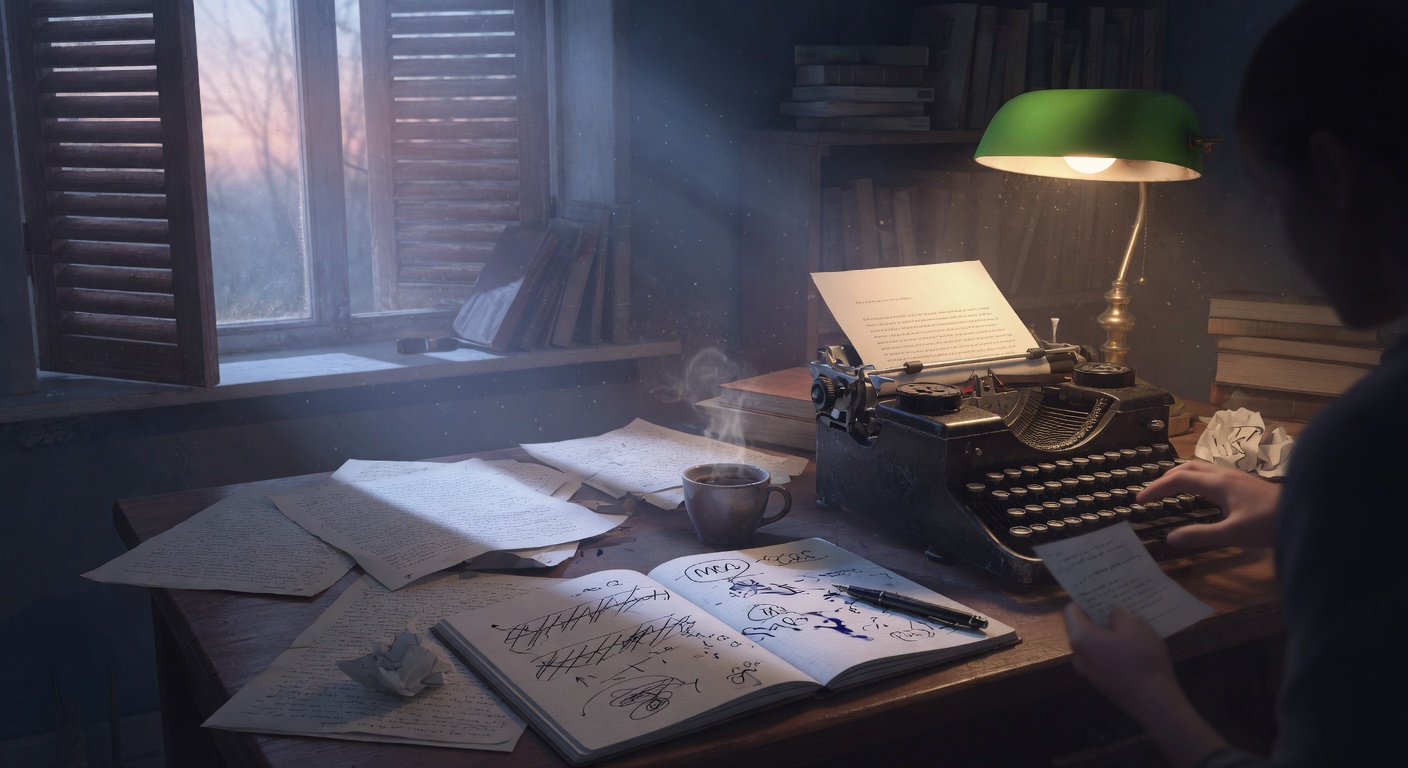
The first paragraph carries the entire weight of what follows. It must signal voice, hint at conflict, and give the reader a reason to keep going without any preamble. Writers who work with AI often discover that a single well-crafted request can surface five or six viable openings in seconds. The trick lies in telling the model exactly what kind of paragraph you need, what constraints it must respect, and what it should avoid.
Many authors begin by describing the scene in broad strokes, then refine the results by hand. Others paste a paragraph they already like and ask the model to generate variations that shift only one element, such as the emotional temperature or the amount of physical detail. Either route works when the prompt includes a clear role for the model and a specific output shape.
Adapting these prompts across genres requires small but decisive changes. Fiction writers add plot pressure or a ticking clock. Poets tighten imagery and line breaks while keeping the paragraph length flexible. Memoir writers anchor the moment in a precise sensory memory and a reflective aside that reveals the older self looking back.
Prompts for Generating First Paragraph Options
These prompts produce raw opening paragraphs you can copy, tweak, or discard. Run each one several times with the same core details to see the range of tones the model offers. Then pick the version whose rhythm matches the rest of your draft.
Use this prompt when your story opens on a tense conversation that must reveal character and stakes at once.
Use this prompt when you want a lyrical first paragraph that could begin either a short story or a prose poem.
Use this prompt for a personal essay that begins with a single vivid scene before widening into reflection.
After you receive results, read each paragraph aloud. The model sometimes slips into summary or repeats a phrase you did not request. Cut those lines immediately and replace them with details drawn from your own notes. This step keeps the voice yours even when the starting image came from the chat window.
Workflow Prompts for Revising Hooks
Once you have a candidate paragraph, the next stage is testing whether it actually does the work you need. These prompts help you pressure-test openings without rewriting the entire piece yourself.
Use this prompt after you have written or generated a first paragraph and want to check its pacing against your genre norms.
Use this prompt when your opening paragraph feels flat and you want three distinct tonal shifts to choose from.
Use this prompt when you have a working opening but need to align it with the voice of a later chapter or poem sequence.
These revision prompts work across genres once you adjust the constraints. In poetry you might ask for tighter line breaks or more sonic repetition. In memoir you can request a stronger sense of the narrator's present-day distance from the scene. The model follows instructions best when you name the exact change rather than asking for something "better."
AI remains a fast way to escape the blank page, yet it cannot judge whether an opening belongs in your particular story. Run the results through your own ear for cadence and your knowledge of what the later pages actually deliver. Fact-check any historical or sensory details the model invents. Most important, read the finished paragraph next to the second paragraph you already wrote. If the two pieces do not lock together, discard the AI version and keep only the detail that sparked an idea. The final hook must still sound like the writer who will finish the piece.



No comments yet. Be the first to comment!