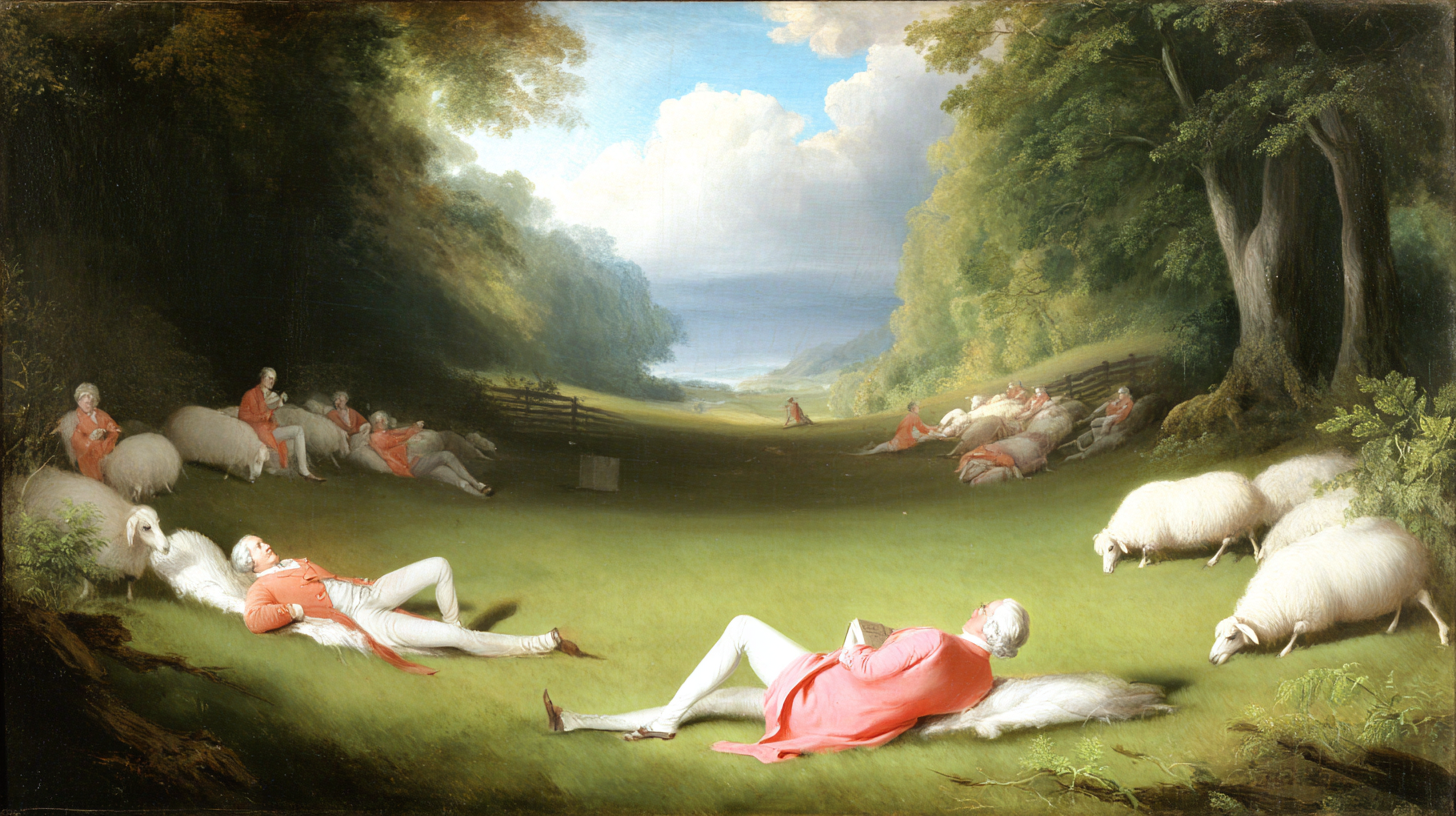
1819 in Poetry
1819 was a significant year for poetry, marked by notable works and events that shaped the literary landscape of the time.
Introduction
The year 1819 is often associated with the Romantic movement in literature, which emphasized emotion, imagination, and individualism. This period saw the rise of many prominent poets, including Lord Byron, Percy Bysshe Shelley, and John Keats, who would go on to shape the course of poetry for generations to come.
Key Figures
- Percy Bysshe Shelley
- John Keats
- Lord Byron
- Tennyson, Alfred
- Wordsworth, William
- Hartley Coleridge
Influences and Trends
The early 19th century saw a shift away from the classical forms of earlier poetry, with a growing emphasis on emotional expression and individualism. The influence of the French Revolution and the Napoleonic Wars also had an impact on poets' works.
Major Works
- Percy Bysshe Shelley's "Prometheus Unbound" (1819)
- John Keats' "Endymion" (1818-1820, published in 1820)
- Lord Byron's "Manfred" (1817, but revised and published in 1819)
Poetic Forms and Styles
The early 19th century saw a decline of traditional forms, such as the sonnet and the ode. Instead, poets turned to more expressive forms, like the blank verse and the narrative poem.
Technical Terms and Concepts
- Blank verse
- Narrative poetry
- Sonnet
- Ode
History/Background
The Romantic movement in literature emerged as a reaction to the Enlightenment values of reason and order. Poets like Shelley, Keats, and Byron sought to express their emotions and individual experiences through their works.
- 18th century: Rise of the Enlightenment
- French Revolution (1789-1799): Spread of revolutionary ideas across Europe
- Napoleonic Wars (1803-1815): Impact on European politics and society
- 18th and early 19th centuries: Development of Romantic ideals in literature and art
Key Concepts
The following concepts are central to the poetry of 1819:
Imagination vs. Reason
Poets like Shelley and Keats emphasized the power of imagination, arguing that it could transcend rational limitations.
- Shelley's concept of "the imagination" as a driving force in human creation
- Keats' emphasis on sensual experience and emotional expression
Nature and the Environment
Poets like Wordsworth and Coleridge explored the relationship between humans and nature, often emphasizing the importance of the natural world.
- Wordsworth's concept of "the sublime" in relation to nature
- Coleridge's emphasis on the emotional response to nature
Technical Details
The following technical details provide insight into the poetry of 1819:
Publishing and Reception
- "Prometheus Unbound" was first published in 1820, but performed in 1819
- "Endymion" was published in 1820 after several revisions
- Manfred was revised and published in 1819
Poetic Styles and Forms
The following poetic styles and forms are characteristic of the poetry of 1819:
- Blank verse: a type of verse without a regular rhythm or meter
- Narrative poetry: stories told in verse
Literary Movements and Influences
- French Revolution's impact on European literature and culture
- Napoleonic Wars' influence on literary themes and styles
- Classical forms and the decline of traditional poetry
Applications/Uses
The poetry of 1819 has been used in various contexts:
- "Prometheus Unbound" as a model for modern drama and performance art
- "Endymion" as an example of Keats' mastery of sensual language
- Manfred as a precursor to the Gothic fiction genre
Impact/Significance
The poetry of 1819 had a significant impact on the literary landscape:
- The rise of Romanticism and its influence on later literary movements
- Shelley, Keats, and Byron's individual legacies as major poets
- The development of new poetic forms and styles
Related Topics
The following topics are related to the poetry of 1819:
- Romantic movement in literature and art
- French Revolution's impact on European culture and politics
- Napoleonic Wars' influence on literary themes and styles
- Classical forms and the decline of traditional poetry





No comments yet. Be the first to comment!