




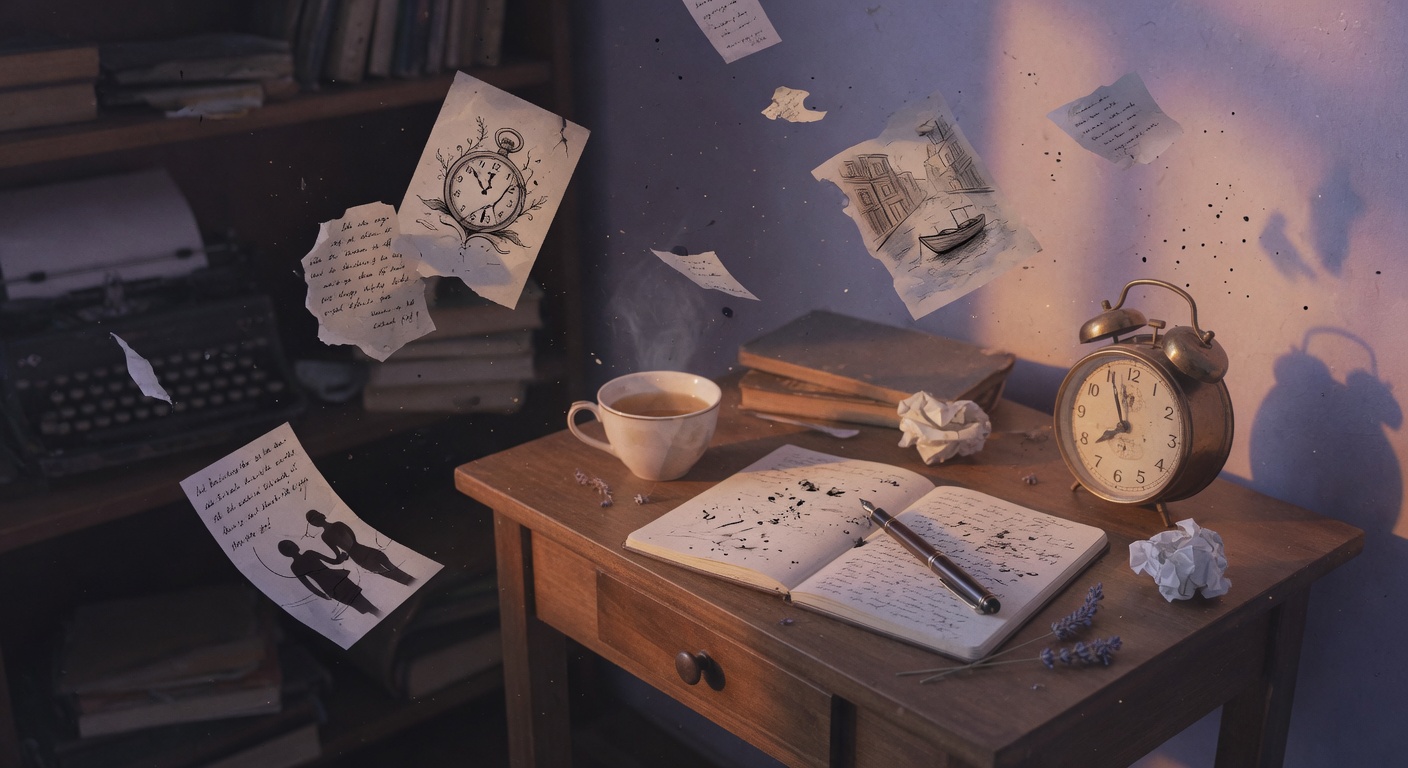
Many writers find that carving out just fifteen minutes each day keeps ideas flowing without the pressure of a full draft. Short sessions work best when the prompt itself is narrow, giving the AI a clear role and a strict output length so the result slots straight into your notebook or document. The goal is not to outsource the story but to produce raw material you can judge, reshape, and claim as your own. Over time these micro-sessions build momentum, yet the writer still supplies the final voice and checks any facts that appear.
Because the sessions are brief, it helps to decide in advance whether you want fiction, poetry, or memoir material. The same core prompt can shift across genres with small wording changes. In fiction you might ask for third-person narration and invented events. In poetry the request becomes a set number of lines with a chosen meter or rhyme scheme. Memoir versions turn the prompt toward first-person recollection and verifiable personal detail. You then read the output with your own experience in mind and keep only the lines that ring true.
Prompts for Generating Fresh Scenes
These prompts are designed for the first ten minutes of a session. They ask the model to stay inside a single moment and deliver a fixed word count so you can copy the text and continue writing by hand for the remaining five minutes. The constraints on tense, sensory focus, and length prevent the AI from wandering into summary or backstory. After pasting, replace the bracketed details with your own situation, run the prompt, then read the result aloud once before deciding what to keep or discard.
Use this prompt when you need an opening image that launches a scene but does not yet commit to plot.
Use this prompt to practice dialogue that reveals tension without exposition.
Use this prompt when you want a contained action beat that can later expand into a longer sequence.
Prompts for Revising and Polishing Short Drafts
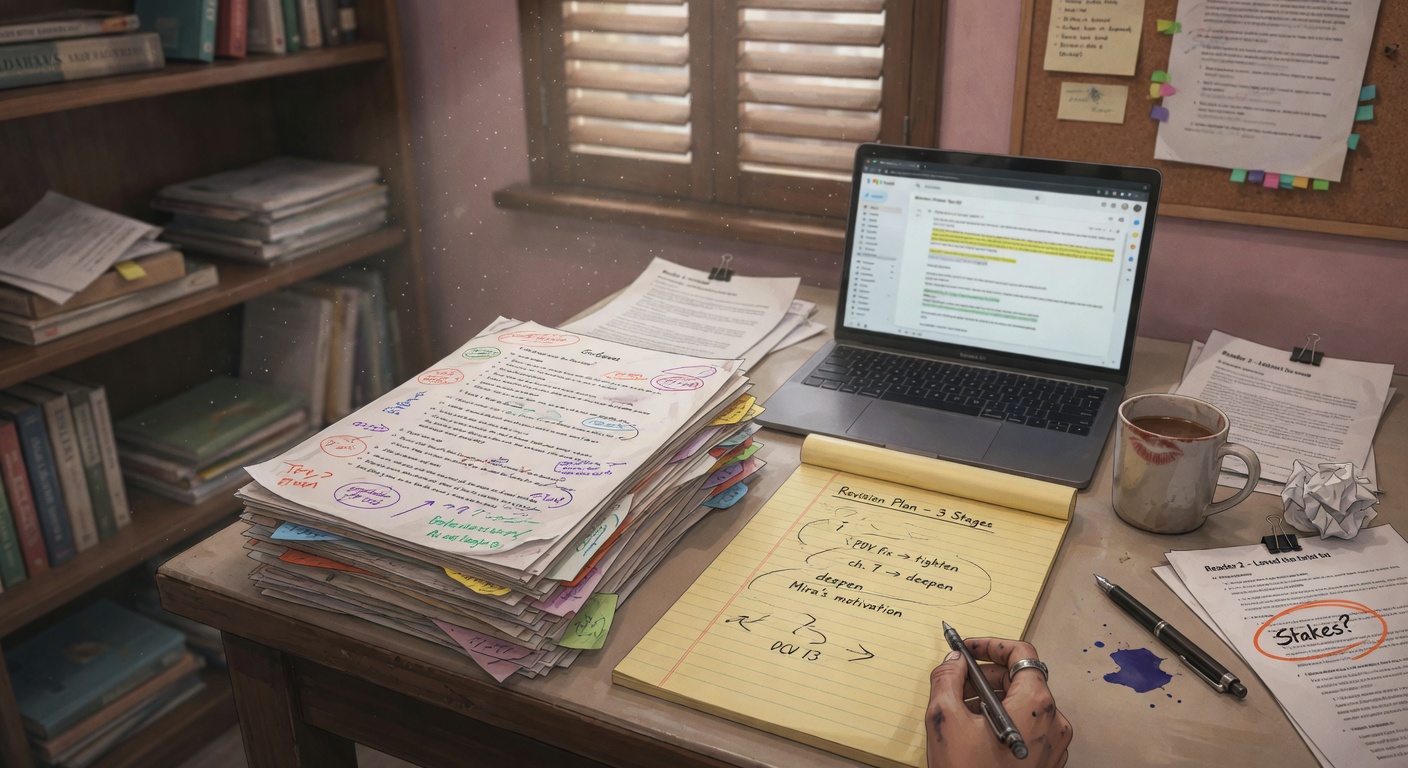
Once you have a few paragraphs or stanzas on the page, these prompts turn the model into a focused editor rather than a generator. Run them on text you have already written so the suggestions remain anchored to your original choices. The model will propose alternatives, but you decide which ones preserve your tone and which ones flatten it. Keep the session to fifteen minutes: five minutes to paste and review, five to test one change, and five to type the revised version in your own words.
Use this prompt on a paragraph that feels flat or overly explained.
Use this prompt when a poem draft has lost its rhythm or become too abstract.
Use this prompt to test whether a memoir fragment can stand alone or needs more context.
After any session, set the AI output aside for a few hours. When you return, read it without the prompt in front of you and mark only the phrases that still feel necessary. This quick distance reminds you that the model supplies possibilities, not finished work. Over weeks the habit of short, repeated prompts trains both the writer and the tool to stay within useful bounds.
No comments yet. Be the first to comment!