
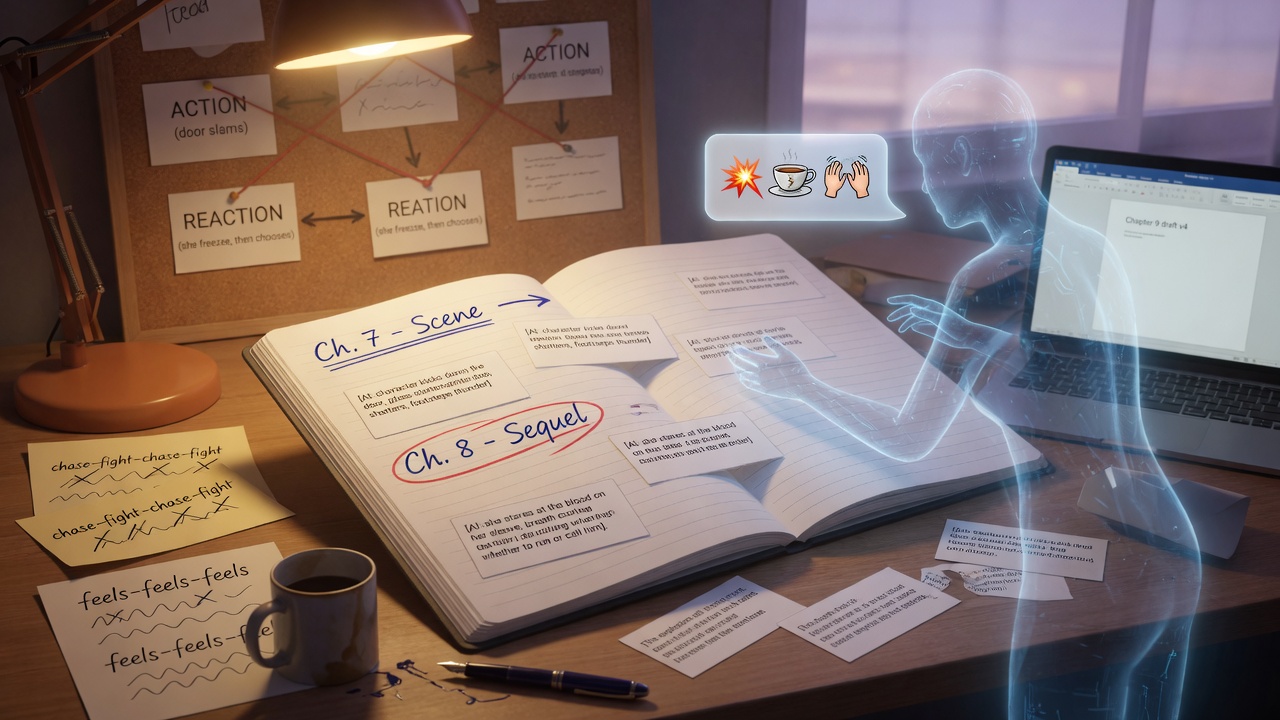
Every experienced novelist has felt it: the manuscript that reads like a treadmill set too fast, one crisis piling onto the next until the reader is winded and slightly numb. Or the opposite problem, a middle third that turns to sludge because every chapter is characters sitting with their feelings, no one deciding anything, nothing propelling forward. Both symptoms trace back to the same structural gap. Dwight Swain diagnosed it decades ago in Techniques of the Selling Writer, and his scene/sequel model is still the cleanest tool for finding where a manuscript loses its pulse.
Swain's insight was that fiction alternates between two beat types. A scene is action: a character has a goal, meets conflict, and ends in disaster (a setback, not a solution). A sequel is reaction: the character processes the disaster emotionally, weighs a dilemma with no good options, and makes a decision that becomes the goal driving the next scene. Scene without sequel feels like whiplash. Sequel without scene feels like stalling. Most exhausting or aimless manuscripts are simply missing half of every pair.
AI is well suited to this kind of structural audit because it's mechanical, almost forensic work. You're not asking a model to be creative here; you're asking it to classify, count, and flag gaps, the way an editor with a checklist would. Below are four prompts that use the scene/sequel framework at different altitudes: chapter level, connective-tissue level, act level, and manuscript-planning level.
Why the Missing Half Wrecks the Reading Experience
Readers don't consciously track scene/sequel structure, but they feel its absence. A string of back-to-back scenes, each ending in disaster with no breathing room, produces a very specific kind of reader fatigue: everything feels equally urgent, so nothing feels urgent. The disasters stop landing because there's been no beat to let them register. Meanwhile a run of sequels, each one a few pages of a character reflecting on what just happened without any new goal crystallizing, produces the opposite problem: the plot seems to have stopped, tension leaks out, and readers start skimming for something to happen
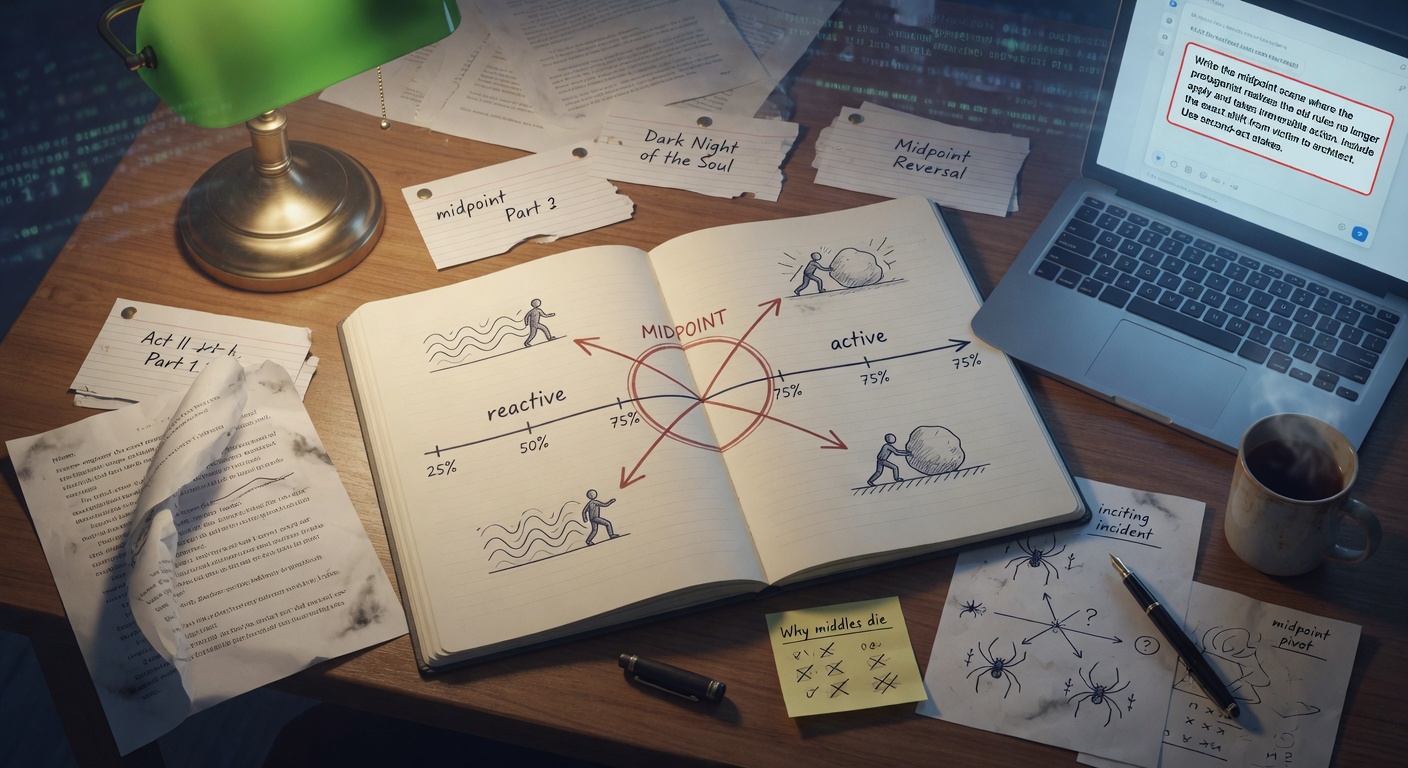
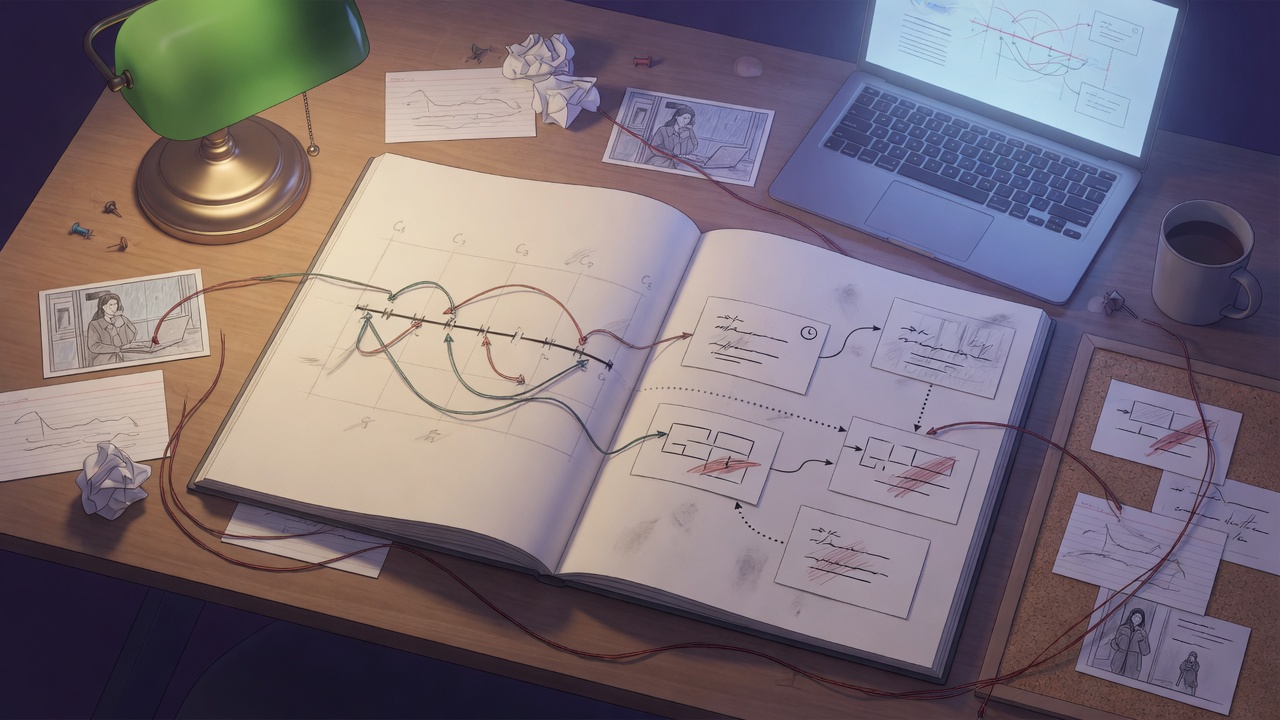
The fix isn't mechanical alternation for its own sake, plenty of great books cluster scenes deliberately for a breathless climax, or linger in sequel during a grief-heavy section. The fix is knowing which pattern you're in at any given moment and choosing it on purpose rather than by accident. That's a diagnostic problem before it's a craft problem, and diagnostics is exactly the kind of task an AI collaborator can do quickly across a full manuscript. Start narrow. Before touching the whole book, run individual chapters through a classification prompt that forces the model to identify the beat type and name, explicitly, whatever's absent. Vague feedback like "this chapter feels flat" isn't actionable. A beat-by-beat breakdown is. The output gives a diagnosis instead of an opinion. If a model tells you your action-heavy chapter has goal, conflict, and disaster but zero reaction beat before the next crisis starts, you know exactly what to add and where. If it tells you a quiet chapter has reaction and dilemma but the decision at the end is vague or absent, you know why the plot feels stuck: nothing was actually decided. Once you've identified a scene that ends in disaster with no sequel to follow it, the next step is drafting that missing half. This is where AI is genuinely useful as a first-draft generator, not because it will nail your character's voice on the first try, but because it can produce a structurally correct scaffold you can then rewrite in your own voice. The key is being explicit about what the sequel needs to do, converting the prior disaster into a decision that seeds the next goal. The one-line goal summary at the end is worth insisting on. It forces the model to be accountable for actually launching forward motion rather than just producing atmospheric reflection that sounds sequel-shaped but doesn't decide anything. If the goal it names doesn't match your intended next scene, you've caught a structural mismatch before you wrote three more pages in the wrong direction. Chapter-level diagnosis catches individual problems, but rhythm problems often live at a higher altitude, two or three scene-heavy chapters in a row with no sequel between them, or a whole act that's sequel-heavy because you were avoiding writing the next confrontation. This requires feeding in a run of chapters (or chapter summaries, if the full text is too long for context) and asking for a structural map.
That last instruction matters. The goal isn't mechanical alternation, it's informed choice. A model that flags every run of consecutive scenes as a problem is applying the framework too rigidly. You want it to distinguish between an accidental gap and a deliberate acceleration, and to suggest the smallest fix rather than defaulting to "write a new chapter" when a single added paragraph might do the job. Once you've run this diagnostic across a draft a few times, patterns in your own habits tend to emerge. Maybe you're prone to skipping reaction beats because you're eager to get to the next plot point. Maybe your sequels run long because you're more comfortable in introspection than confrontation. Turning this into a standing reference sheet, rather than a one-off audit, means you can catch the pattern while drafting instead of during revision. The reference sheet turns a structural framework into a drafting habit rather than a post-hoc repair job. Used this way, AI isn't writing your rhythm for you, it's holding up a mirror to the pattern you're already producing, fast enough that you can correct course a chapter or two in rather than discovering the exhaustion or the stall three hundred pages later during a revision pass that has to unpick far more thread than it should.Prompt One: Classify a Chapter and Flag the Missing Beats
Prompt Two: Draft the Missing Sequel After a Disaster
Prompt Three: Map an Entire Act as a Scene/Sequel Checklist
Building a Rhythm Reference Sheet for Future Drafting
No comments yet. Be the first to comment!