Creative Writing

Articles in Creative Writing

All Advertising Advertising And Marketing Agencies Associations Consulting Services Copywriting Corporate Branding And Identity Demographics Design Services Direct Marketing
Dead Zone Mapping: AI Prompts That Expose the Parts of Your World You Forgot to Build
Creative Writing 10 min

Dead Zone Mapping: AI Prompts That Expose the Parts of Your World You Forgot to Build

Every writer who has worked on a novel-length project knows the experience: you are three hundred pages into a draft when a character needs to buy something, and you realize you have no idea how money actually works in this world. Dead zones aren't a failure of imagination—they're an inevitable consequence of how worldbuilding actually develops, and AI prompts can help you map and fill them before they derail your draft.

Read More
The Emotional Escalation Audit: AI Prompts That Catch Flatlined Tension Across Your Novel's Second Act
Creative Writing 11 min

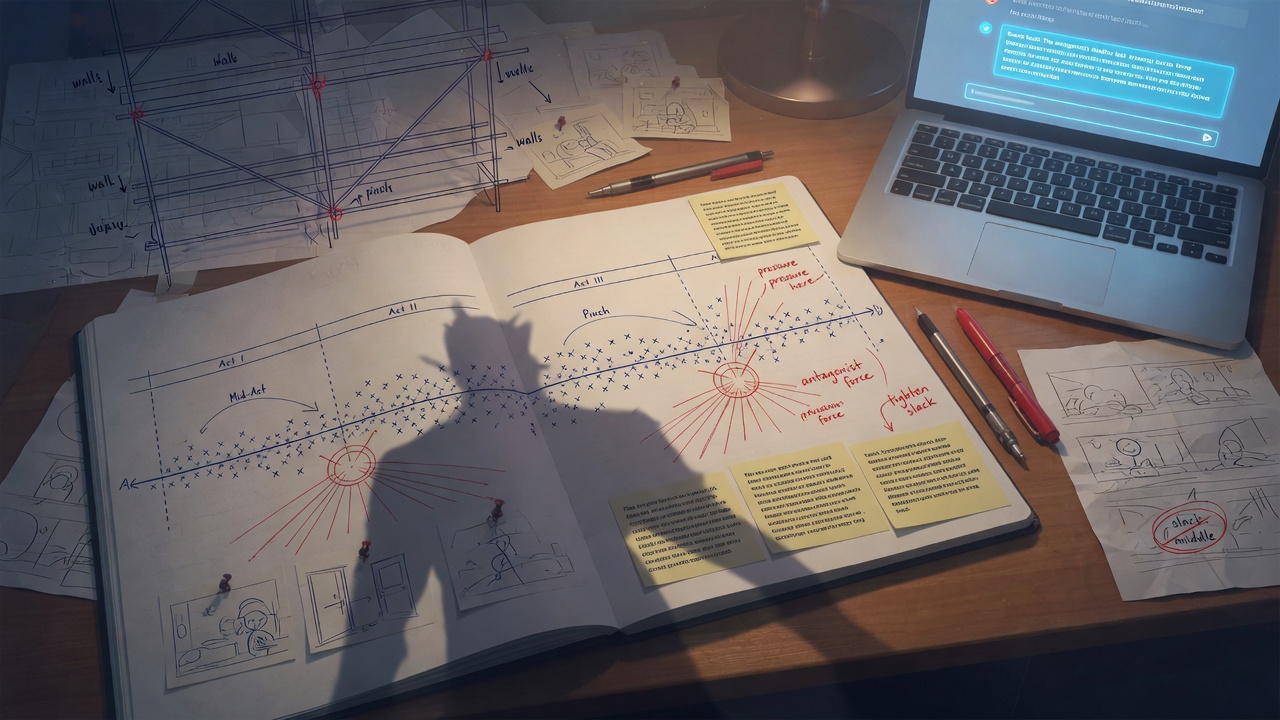
The Emotional Escalation Audit: AI Prompts That Catch Flatlined Tension Across Your Novel's Second Act

There's a particular kind of second act that looks functional from the outside. Events happen. Characters argue, plans unravel, new obstacles materialize. The word count climbs. And yet somewhere around the two-thirds mark, readers put the book down and don't pick it back up—not because they disliked it, but because they stopped caring. The protagonist's situation kept changing without the protagonist's pain deepening.

Read More
Third-Person Drift: AI Prompts That Catch When Your Narrator Slides Out of a Character's Head
Creative Writing 11 min

Third-Person Drift: AI Prompts That Catch When Your Narrator Slides Out of a Character's Head

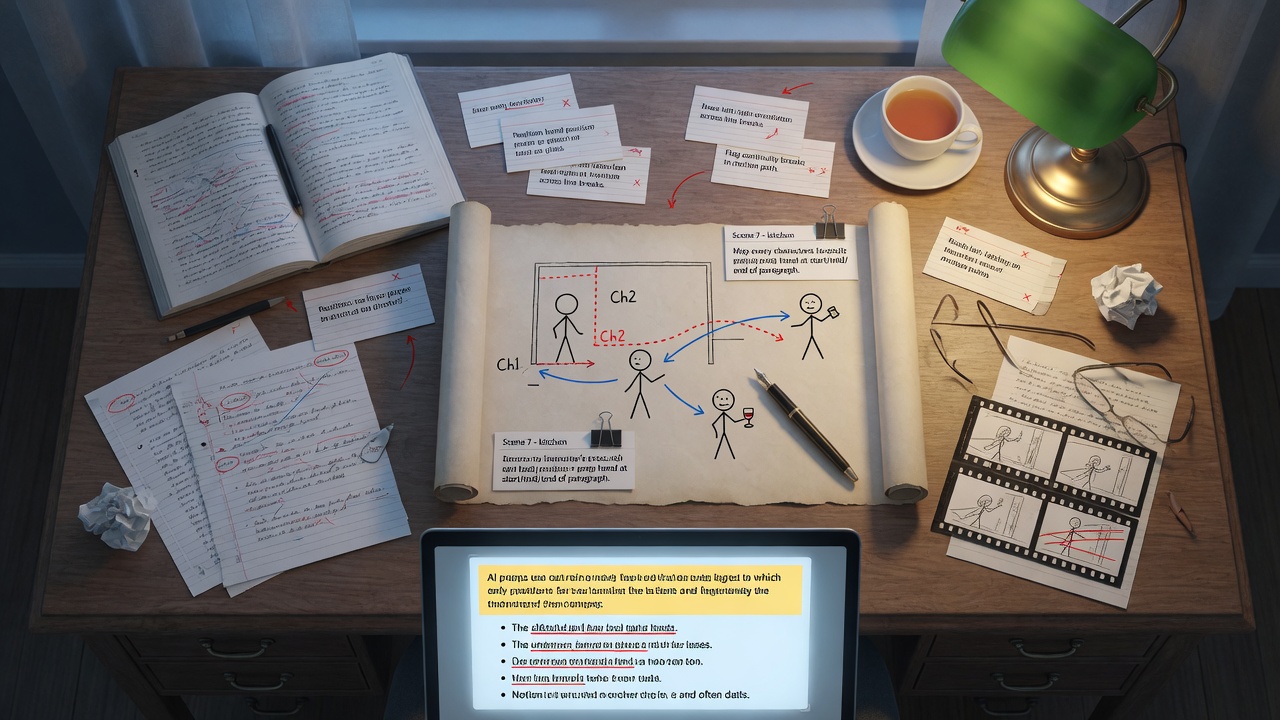
Third-person limited fails silently. Unlike first person, where every word must pass through a single voice, third-person limited creates an invisible boundary between what your POV character can know and what the narrator slips in anyway. This guide covers the specific AI prompts that catch those boundary violations before readers feel the distance without knowing why.

Read More
Ghost Arc Detection: AI Prompts That Surface the Transformation Your Character Is Actually Undergoing (Not the One You Planned)
Creative Writing 10 min

Ghost Arc Detection: AI Prompts That Surface the Transformation Your Character Is Actually Undergoing (Not the One You Planned)

You outlined a redemption story. Then you wrote sixty thousand words and your reader said something that stopped you cold. Ghost arc detection is the practice of surfacing the transformation your character is actually undergoing in the draft you wrote, not the one you planned, and AI prompts can help you find it before your editor does.

Read More
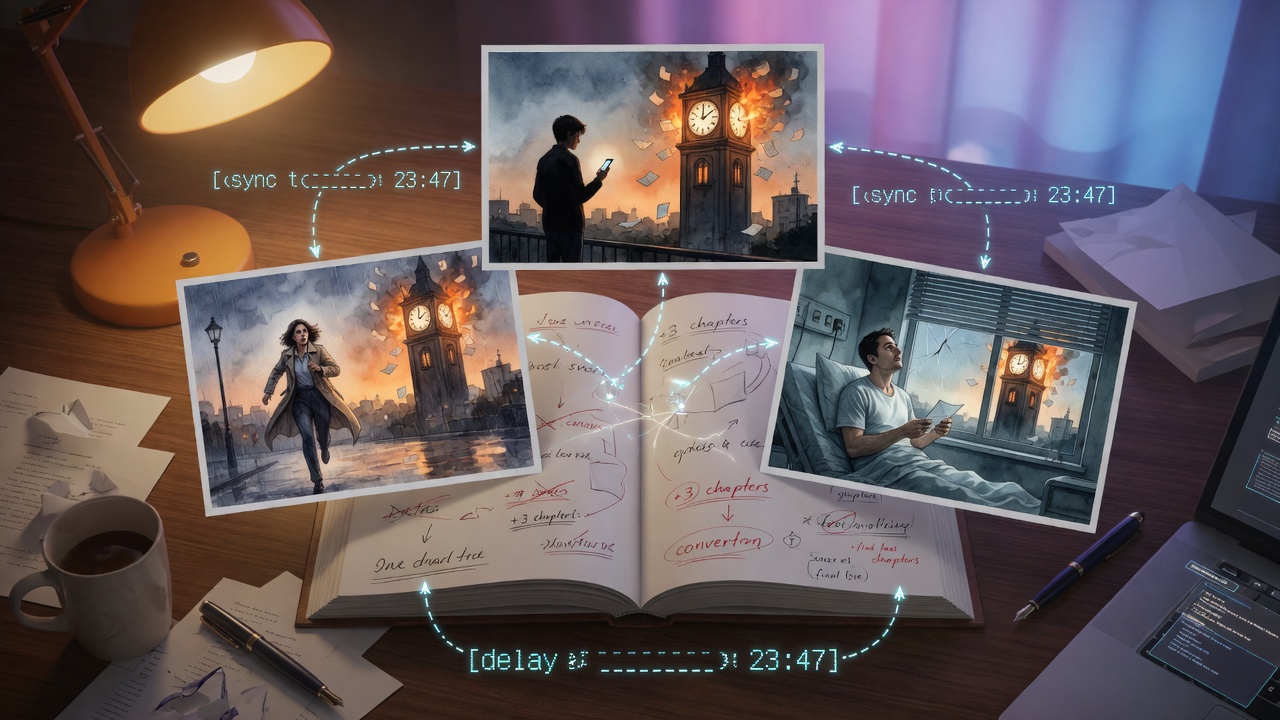
Cliffhanger Architecture: AI Prompts That Engineer Chapter-Ending Tension Without Cheap Tricks
Creative Writing 11 min

Cliffhanger Architecture: AI Prompts That Engineer Chapter-Ending Tension Without Cheap Tricks

Most writers know the sensation of finishing a chapter and feeling vaguely dissatisfied with the ending they've written. They add a dramatic final line—a gunshot in the distance, a door opening to reveal someone unexpected—and convince themselves the reader will keep going. Sometimes they do. More often, the chapter ending lands with a hollow thud that readers can't quite name but absolutely feel.

Read More
The Echo Chamber Problem: AI Prompts That Hunt Down Repeated Words, Phrases, and Ideas Across Your Novel
Creative Writing 11 min

The Echo Chamber Problem: AI Prompts That Hunt Down Repeated Words, Phrases, and Ideas Across Your Novel

Every novelist who has read their completed manuscript aloud knows the sinking feeling: the same word appearing three times in a paragraph, two characters having what is essentially the same argument in chapters four and eleven, a protagonist who "steels herself" so many times it stops meaning anything. Repetition is the invisible tax on long-form fiction, and the human brain—particularly the brain of the person who wrote every sentence—is spectacularly bad at catching it. This is where AI tools have found one of their most genuinely useful applications in the writing process.

Read More
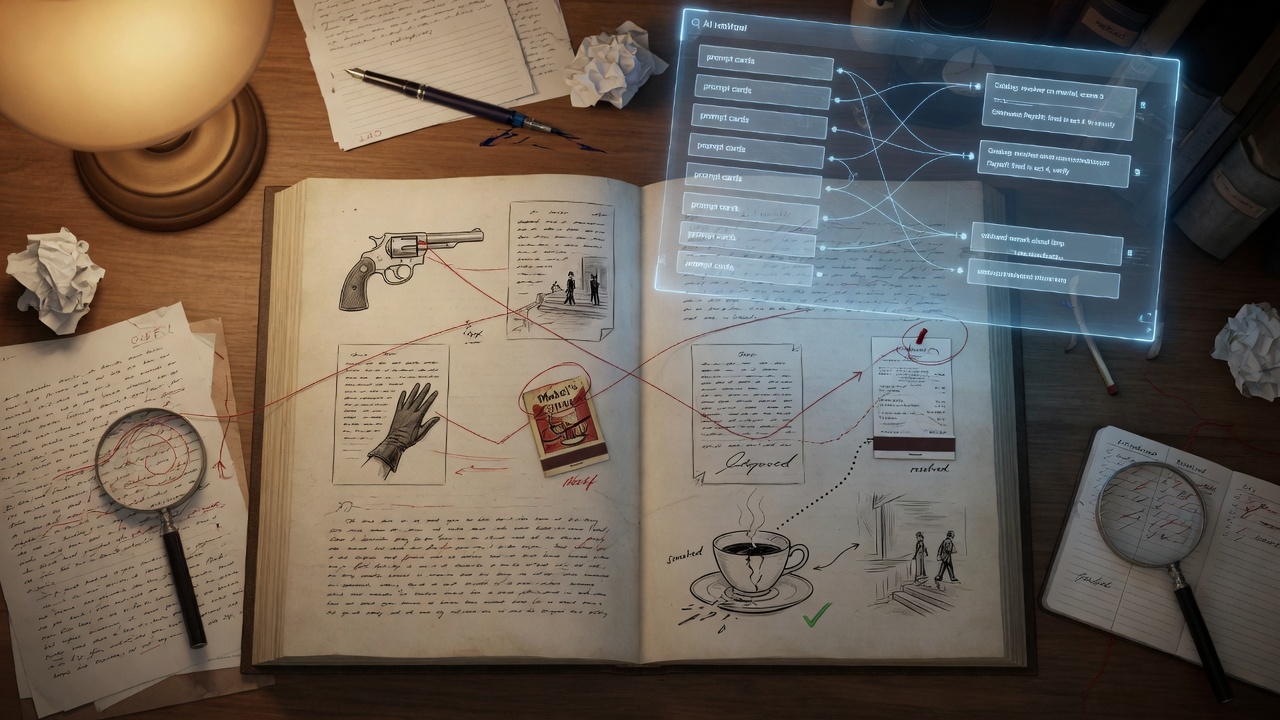
Red Herring Calibration: AI Prompts That Balance Misdirection Without Cheating Your Mystery Reader
Creative Writing 11 min

Red Herring Calibration: AI Prompts That Balance Misdirection Without Cheating Your Mystery Reader

Mystery writers occupy an uncomfortable position when revising their own manuscripts. You know who did it. You've always known who did it. That knowledge colors every sentence you read, making it nearly impossible to assess whether a red herring is doing genuine narrative work or simply taking up space with the faint hope that readers won't notice its hollowness.

Read More
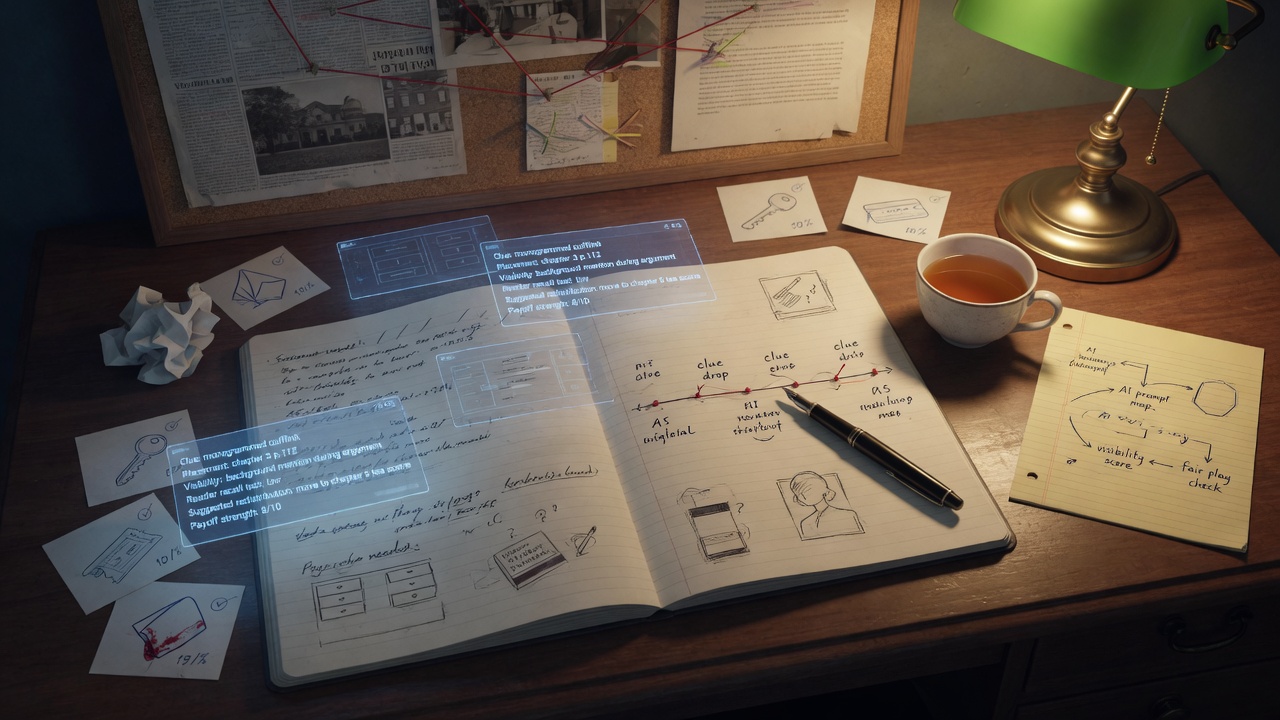
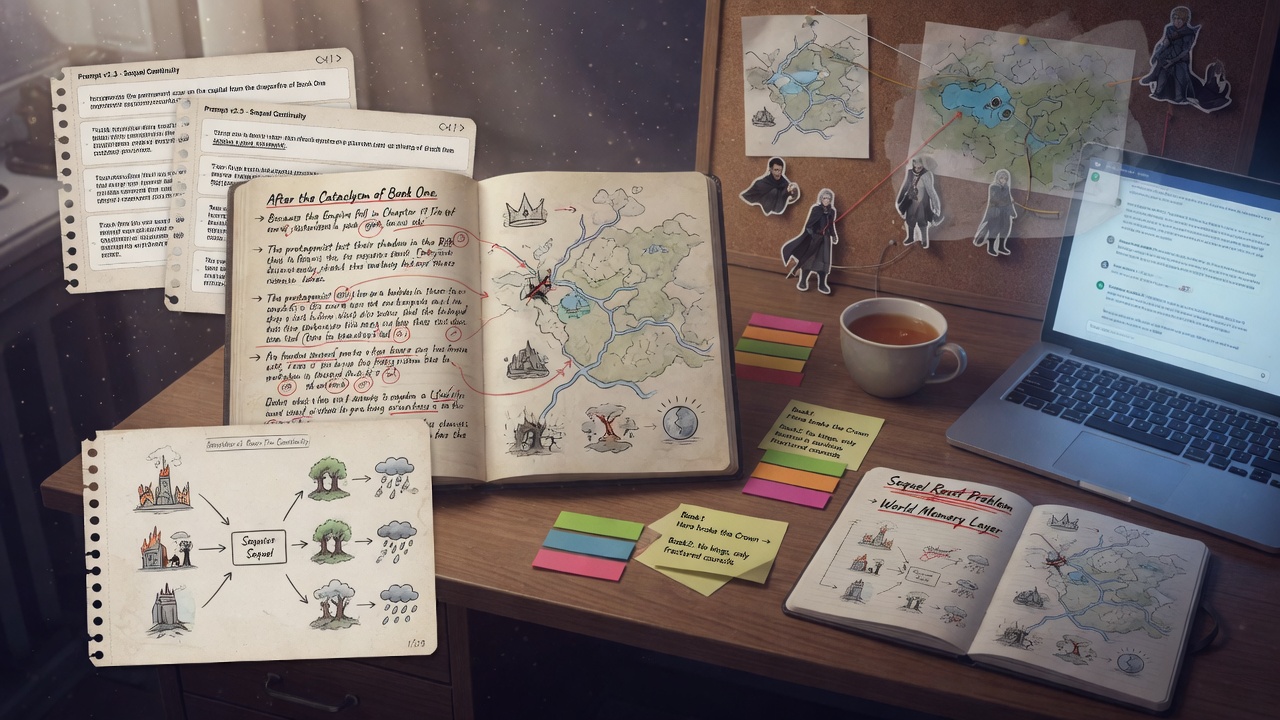
Series Bible Continuity Audits: AI Prompts That Catch Broken Foreshadowing Before Book 3 Ships
Creative Writing 10 min

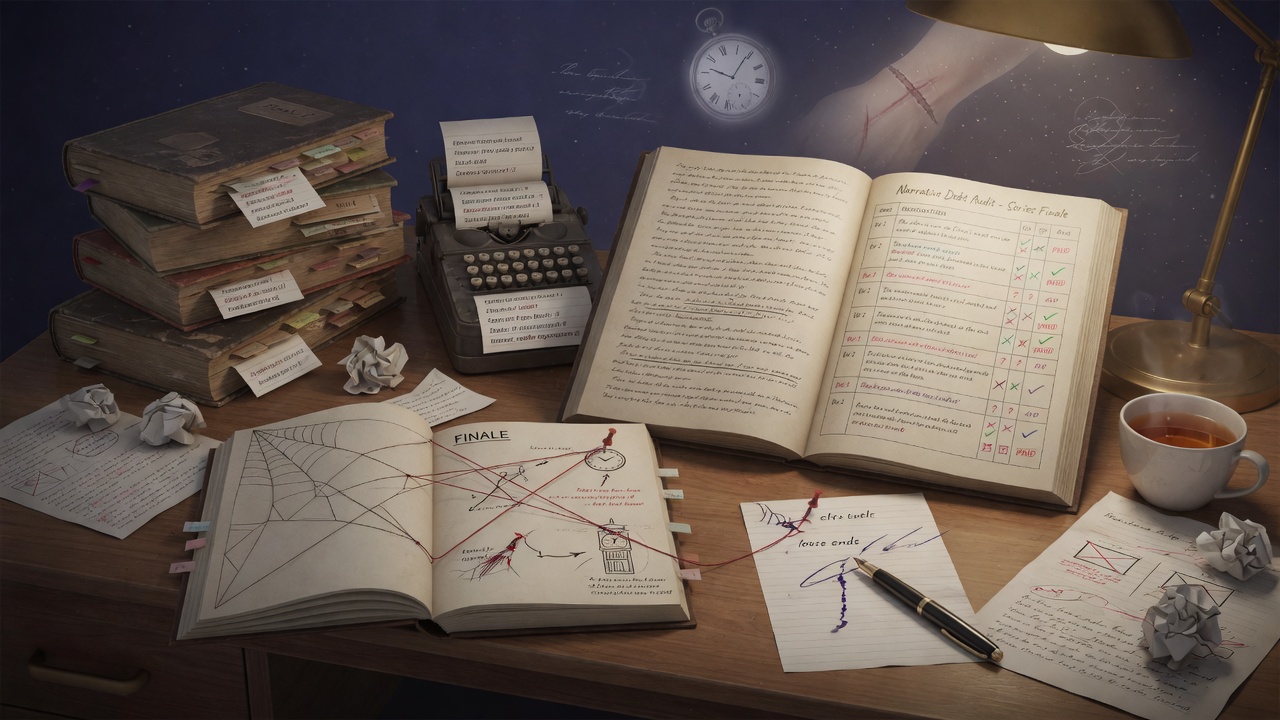
Series Bible Continuity Audits: AI Prompts That Catch Broken Foreshadowing Before Book 3 Ships

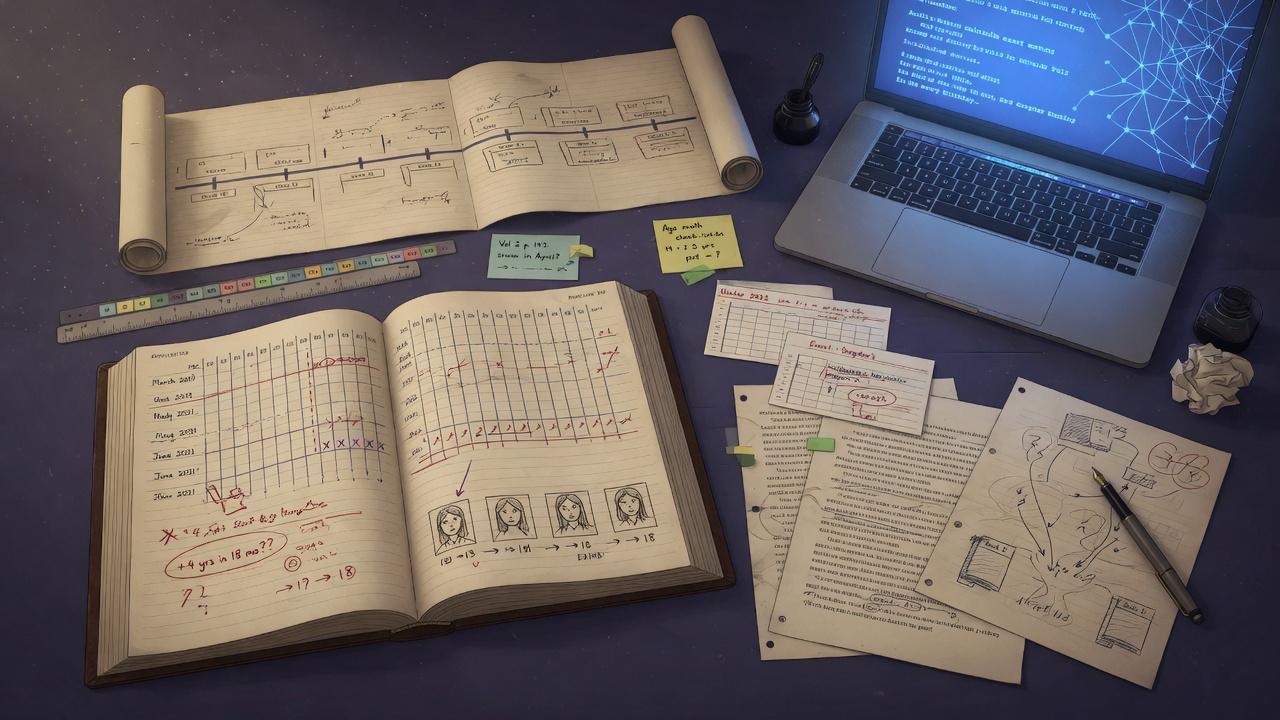
A standalone novel is a closed system you can hold in one cognitive workspace. A trilogy is something else entirely—when you're drafting Book 3, the promises you made in Book 1 were written eighteen months ago, possibly by a slightly different version of yourself with a slightly different vision for where everything was heading. This piece covers AI-assisted continuity audits that catch broken foreshadowing, dangling threads, and contradicted setups before they reach readers.

Read More
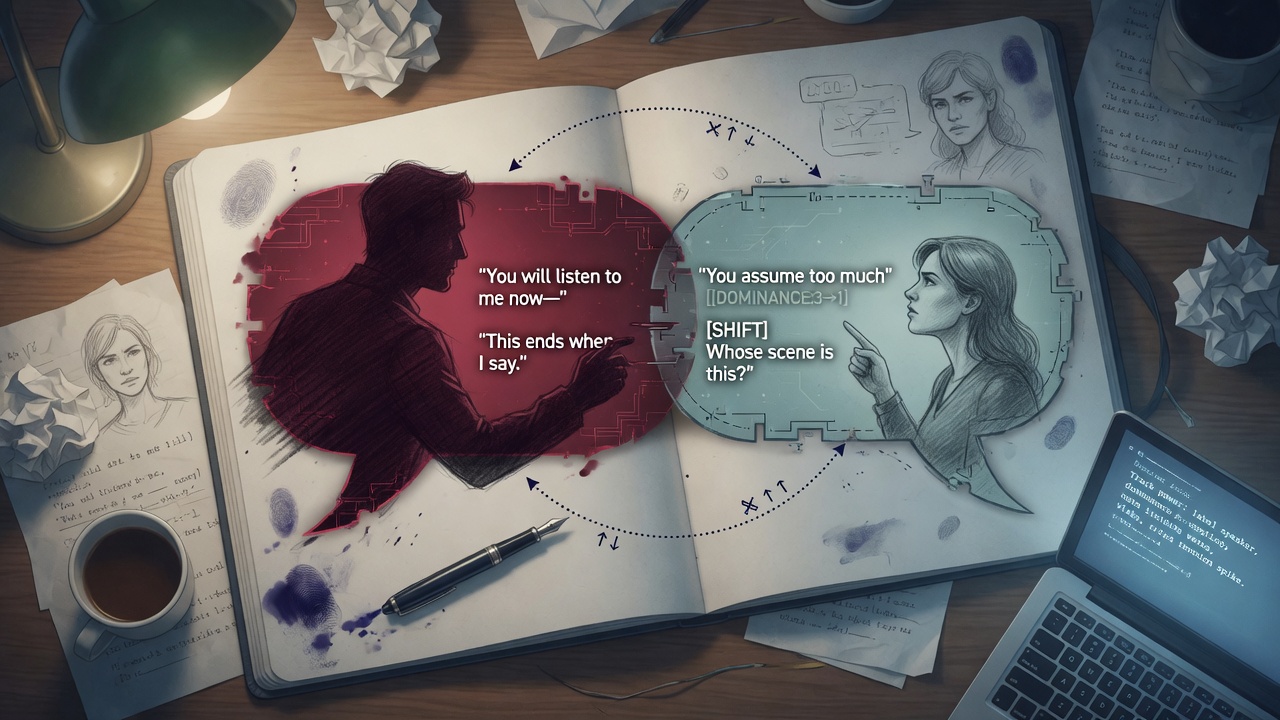
Character Voice Fingerprinting: AI Prompts That Keep Every Speaker Distinct Across 30+ Scenes
Creative Writing 10 min

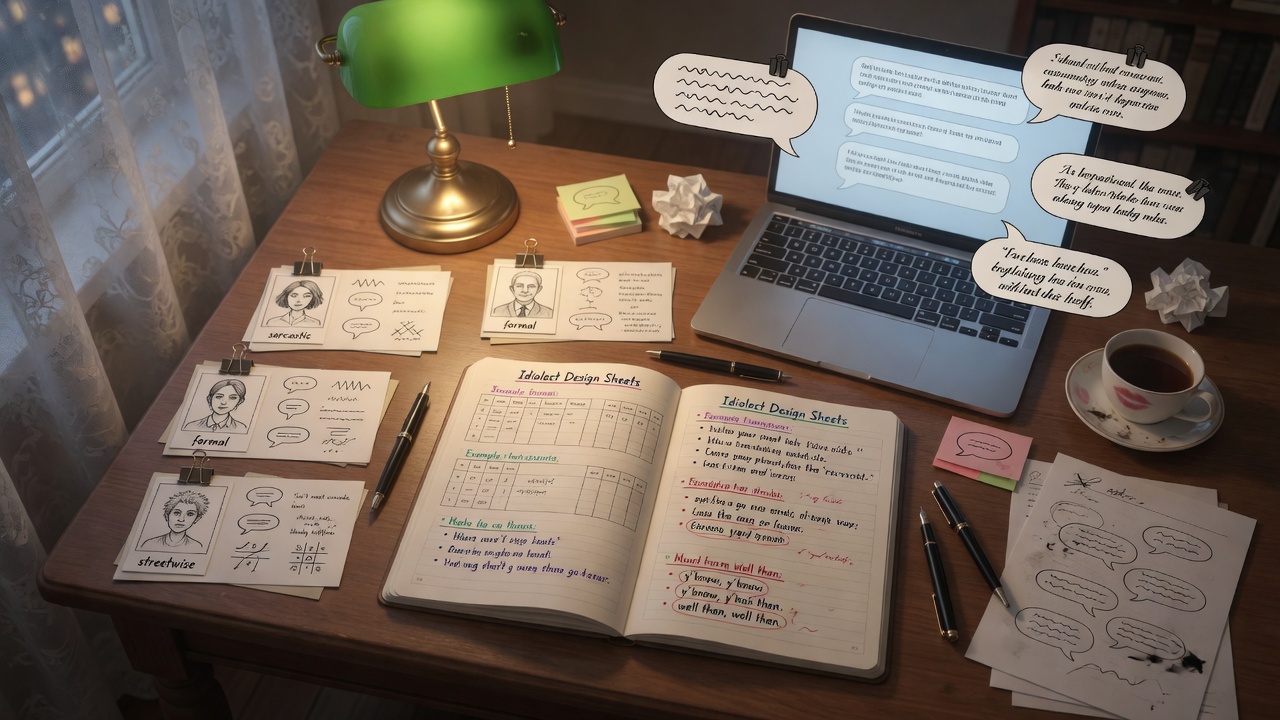
Character Voice Fingerprinting: AI Prompts That Keep Every Speaker Distinct Across 30+ Scenes

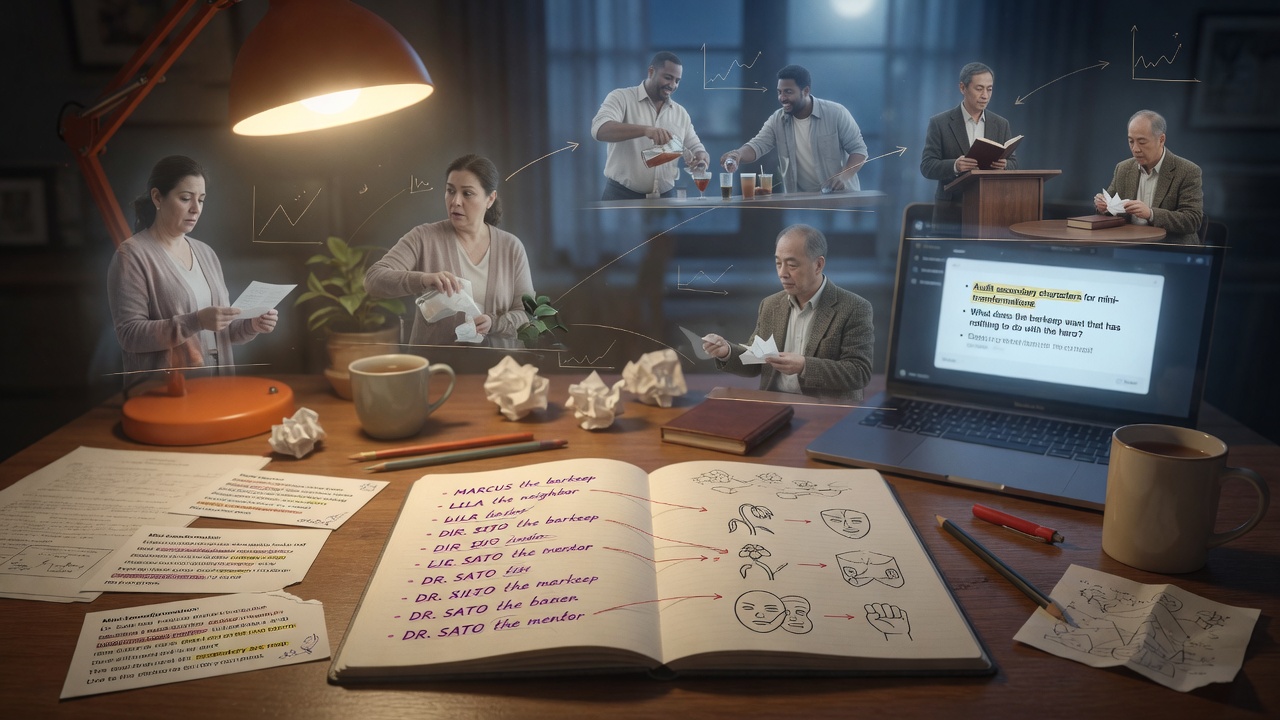
By scene 20, your characters start bleeding into each other—not because you've forgotten them, but because working memory compresses under narrative pressure. This guide introduces character voice fingerprinting: a systematic prompt-based method for preserving distinct speaker identities across long drafts, covering vocabulary constraints, sentence architecture, cognitive filters, and scene-by-scene consistency checks that keep your sardonic detective sounding nothing like your grieving mother, even 30 scenes in.

Read More
Creative Writing 11 min

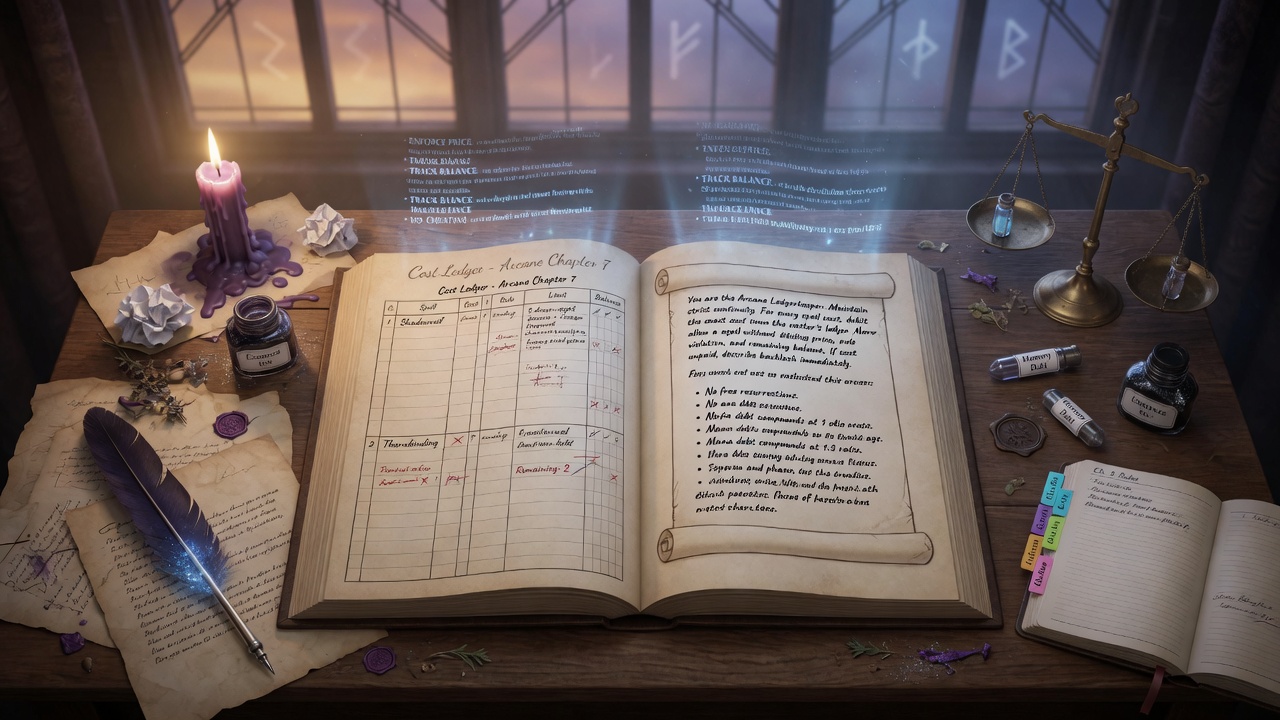
Magic System Stress Testing: AI Prompts That Break Your Rules Before Your Readers Do

Every magic system feels airtight when you're building it. You know the rules. You know why fire-calling costs three days of exhaustion, why memory-weaving requires a blood anchor, why the protagonist can't simply dissolve the antagonist on page forty. The logic lives in your head in full three-dimensional clarity, and from inside that clarity, inconsistencies are nearly invisible. Then a reader gets to chapter nineteen and asks why the protago

Read More
The Want vs. Need Gap: AI Prompts That Track Your Protagonist's Blind Spot Across 80,000 Words
Creative Writing 11 min

The Want vs. Need Gap: AI Prompts That Track Your Protagonist's Blind Spot Across 80,000 Words

Every novelist who has pushed past the 50,000-word mark knows the feeling: somewhere around chapter fourteen, your protagonist stopped being one person and quietly became another. Not through earned transformation — through drift. The want/need gap, that productive contradiction at the heart of every compelling character arc, has a way of dissolving in long fiction not because writers forget it exists, but because the daily pressure of generating words erodes the precise tension that made the character compelling in the first place. This guide offers AI prompts designed to audit, stress-test, and restore that gap across an 80,000-word manuscript.

Read More
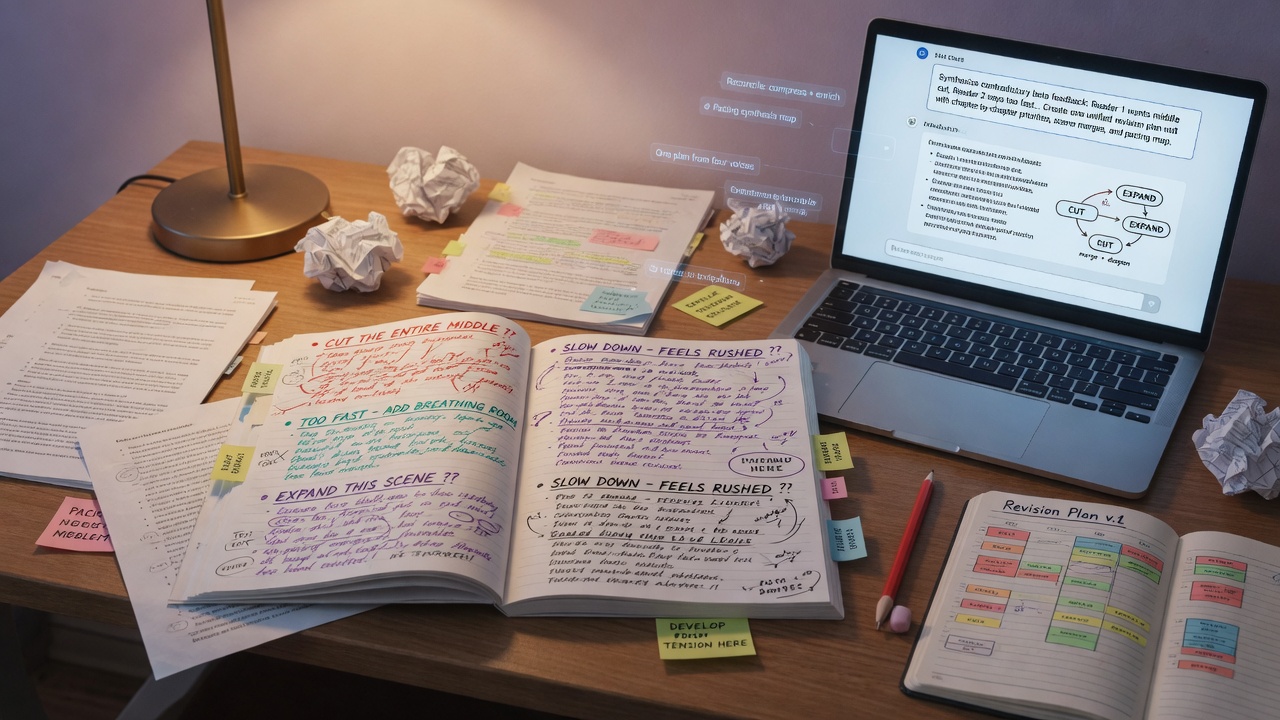
Reverse-Engineering Your Midpoint: AI Prompts That Lock In the Scene Every Three-Act Structure Pivots On
Creative Writing 11 min

Reverse-Engineering Your Midpoint: AI Prompts That Lock In the Scene Every Three-Act Structure Pivots On

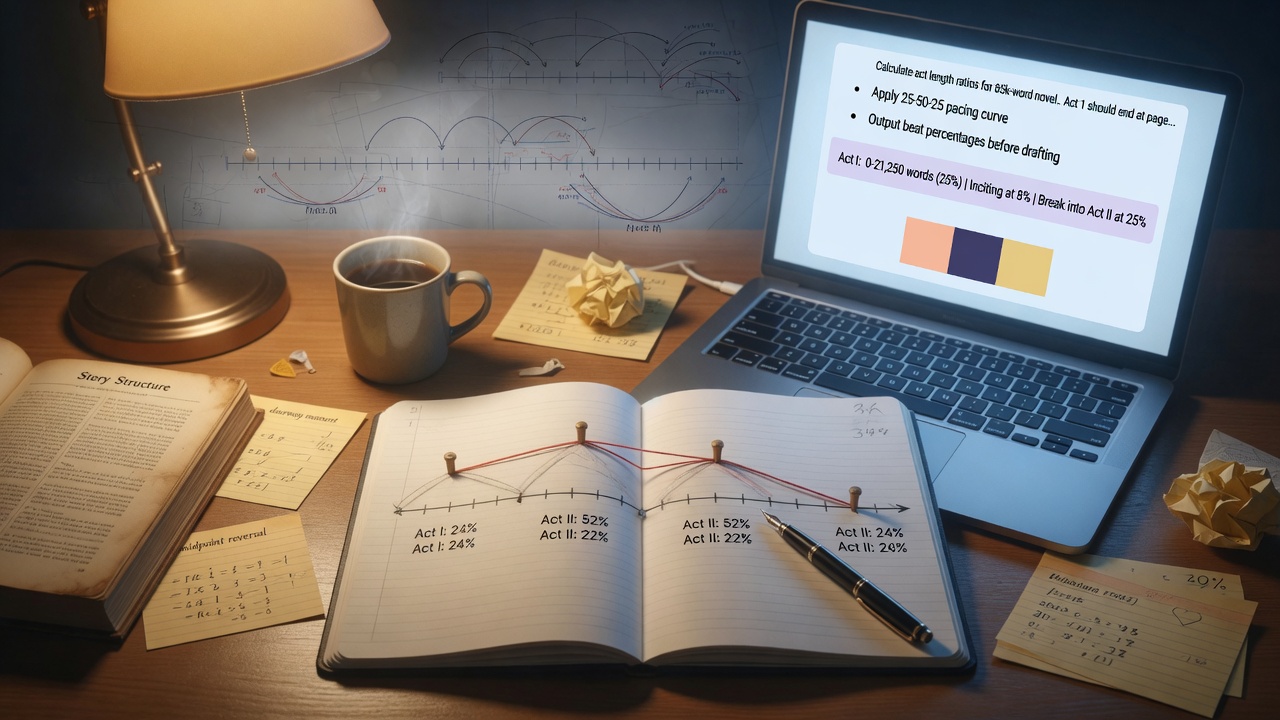
Most writing advice fixates on endings, but experienced developmental editors know the truth: manuscripts quietly collapse in the middle. The pages between 40% and 60% are where novels lose tension not through bad prose, but through a missing or misplaced midpoint—the structural pivot that transforms your protagonist from someone things happen to into someone who makes things happen. This piece breaks down why the midpoint is harder to engineer than the climax, what it actually needs to accomplish mechanically, and how AI prompts can help writers reverse-engineer this crucial scene before the surrounding chapters are built on unstable ground.

Read More
Previous 1 2